Love this? Save it for later!
Share the inspiration with your friends
“Last summer, while rummaging through a tiny farmers’ market in Asheville, I stumbled upon an elderly woman selling homemade almond cheese. I wasn’t exactly planning to chat with her, but the way she described her dairy-free creations pulled me right in. Honestly, I wasn’t sure if I could ever let go of real cheese, but that afternoon changed my perspective. I mean, you know that feeling when something surprises you so much it sticks with you? That’s exactly what happened.
It wasn’t just her almond cheese, though. She shared little secrets about swapping out dairy in everyday dishes, and it got me curious enough to experiment in my own kitchen. I forgot to write down half the tips, made a bit of a mess trying to get the right texture for plant-based cream, and even burned a batch of coconut milk custard (oops!). But through trial, error, and a few laughs, I pieced together what I now call my Ultimate Dairy-Free Substitutes Guide for Delicious Plant-Based Cooking.
This guide isn’t about sacrificing flavor or texture; it’s about opening up a world where you can enjoy all your favorite recipes without dairy but still keep that soul-soothing goodness. Whether you’re vegan, lactose intolerant, or just curious, let me tell you—these swaps are game changers. So, let’s get you ready to cook with confidence, using easy and delicious dairy-free alternatives that I personally swear by.
Why You’ll Love This Recipe
After countless kitchen experiments, tastings, and feedback from friends (who are often skeptical, by the way), I can say this guide is a reliable companion for your plant-based journey. Here’s why it stands out:
- Quick & Easy: Most substitutes come together in minutes, perfect for those busy weeknights or last-minute meal ideas.
- Simple Ingredients: No hunting for exotic or expensive items—you likely have most of these in your pantry or local store.
- Perfect for Any Occasion: Whether you’re prepping brunch, cozy dinners, or festive gatherings, these swaps fit right in.
- Crowd-Pleaser: Even non-vegans and dairy lovers in my life have been impressed by how authentic and tasty these alternatives are.
- Unbelievably Delicious: The texture and flavor combinations bring that comfort food feeling back without missing the dairy.
What makes this guide different? Well, for starters, it’s not just a list of random swaps—I’ve tested each one in real recipes and refined them for the best results. For example, blending soaked cashews for ultra-creamy sauces or using nutritional yeast to mimic cheesy notes without the mess. Honestly, this guide captures the heart of plant-based cooking while keeping ease and flavor front and center.
This isn’t about losing out; it’s about gaining new ways to enjoy food that make you pause, savor, and maybe even close your eyes after the first bite. So, grab your apron and let’s get started with ingredients that will change how you cook and eat.
What Ingredients You Will Need
This guide focuses on straightforward, wholesome ingredients that give you bold flavor and satisfying textures without the fuss. Many are pantry staples, while others are easy to find in most grocery stores. Here’s what you’ll want to have ready for your dairy-free cooking adventures:
- For Creamy Bases and Sauces:
- Cashews, raw and unsalted (soaked for at least 4 hours or overnight) – perfect for creamy sauces or cheese alternatives
- Coconut milk, full fat (shake well before use) – adds richness and silky texture to curries and desserts
- Silken tofu (soft and smooth) – great for custards, dressings, and creamy dips
- Almond milk or oat milk, unsweetened (choose your favorite brand like Califia Farms or Oatly for best flavor)
- For Cheese Flavors and Textures:
- Nutritional yeast flakes – the secret ingredient for cheesy, nutty flavor
- Apple cider vinegar or lemon juice (freshly squeezed) – brightens and balances flavors
- Firm tofu, pressed and crumbled – works well for ricotta-style cheese or scrambled dishes
- Almond or cashew cheese (store-bought or homemade) – a delicious spread or topping
- For Baking and Sweet Treats:
- Ground flaxseed or chia seeds (mixed with water as egg replacer) – binds ingredients and adds fiber
- Dairy-free margarine or coconut oil (unsweetened) – substitutes butter for baking
- Maple syrup or agave nectar – natural sweeteners that add moisture and flavor
- Additional Flavor Boosters:
- Garlic powder and onion powder – deepen savory dishes
- Smoked paprika or chipotle powder – add a smoky kick
- Fresh herbs like basil, cilantro, and chives – brighten up any dish
When selecting ingredients, I recommend buying raw nuts from bulk bins for freshness and soaking them yourself. If you prefer convenience, brands like Forager Project offer ready-made cashew creams that work well. For plant milks, I find that oat milk blends best in coffee and baking, while almond milk is lighter for sauces.
Need a gluten-free twist? Swap all-purpose flour for chickpea or rice flour in your dairy-free baking recipes to keep things allergy-friendly. If you’re avoiding nuts, sunflower seed butter can sometimes replace cashew cream, though the flavor will be earthier.
Equipment Needed
Gathering the right tools makes dairy-free cooking smoother and more enjoyable. Here’s what I find essential:
- High-Speed Blender or Food Processor: For turning soaked nuts and tofu into creamy sauces and cheeses. I use a Vitamix, but a Ninja or a good food processor works well too.
- Mixing Bowls: A set of medium and large bowls for soaking nuts, mixing batters, and marinating.
- Measuring Cups and Spoons: Precision helps with recipe success, especially when adapting substitutes.
- Non-Stick Skillet or Saucepan: For cooking creamy sauces and sautéing without sticking or burning.
- Baking Dishes: Glass or ceramic pans are ideal for casseroles and dairy-free baked goods.
If you don’t have a high-speed blender, soaking nuts longer and mashing them with a fork or potato masher can work in a pinch, though texture won’t be as smooth. For budget-friendly options, check thrift stores for food processors or hand mixers which can still get the job done.
Keeping your equipment clean and dry is key, especially blenders that handle nuts and oils—residual moisture can lead to off flavors or spoilage. A quick rinse right after use saves headaches later.
Preparation Method

- Soak Your Nuts: For cashew cream or cheese, soak 1 cup (150g) of raw cashews in water for at least 4 hours or overnight. This softens them, making blending easier and the texture creamier.
- Drain and Rinse: Once soaked, drain and rinse the nuts thoroughly to remove any bitterness.
- Blend the Cream Base: Combine soaked cashews with ½ cup (120ml) water, 1 tablespoon lemon juice, 1 garlic clove (minced), and ½ teaspoon salt in your blender. Blend on high for 1-2 minutes until silky smooth. If too thick, add more water a tablespoon at a time.
- Adjust Seasoning: Taste and add more salt, lemon juice, or a pinch of nutritional yeast for cheesy flavor. This is your base for sauces, spreads, or dips.
- Prepare Plant Milk: Shake your carton of almond or oat milk well before measuring 1 cup (240ml) for recipes requiring liquid dairy substitutes.
- Use Tofu for Creaminess: Drain and press firm tofu to remove excess moisture. Blend or crumble it depending on recipe needs—silken tofu is best for silky dressings and desserts, while firm tofu works for ricotta-style fillings.
- Create Dairy-Free Butter: Melt ½ cup (113g) dairy-free margarine or coconut oil gently on low heat. Use in baking or as a finishing touch for sautéed veggies.
- Mix Dry Ingredients: For baked goods, combine your dry substitutes like flaxseed meal (1 tablespoon mixed with 3 tablespoons water as egg replacer) with flours, baking powder, and seasonings in a large bowl.
- Combine and Cook: Follow your recipe’s cooking instructions, swapping in your dairy-free components. For creamy sauces, cook gently over medium heat until thickened, stirring frequently to avoid burning.
- Let It Rest: Many dairy-free dishes develop better flavor after resting 10-15 minutes. This helps thicken sauces and lets flavors marry.
Remember, textures can vary slightly due to ingredient brands or kitchen conditions. If your sauce seems too thin, a quick simmer usually fixes it. If too thick, add a splash of plant milk. Don’t forget to taste often; you might need a pinch more salt or acid to brighten things up.
Cooking Tips & Techniques
Mastering dairy-free cooking takes some patience but these tips will help you avoid common pitfalls:
- Soaking Nuts Properly: Don’t rush soaking cashews or almonds; under-soaked nuts can make sauces gritty. If you’re short on time, soak in hot water for 1 hour, but overnight is best.
- Blend Thoroughly: High-speed blending is key for smooth textures. Stop and scrape sides to avoid lumps. If your blender isn’t strong, pulse and blend longer.
- Use Acid Wisely: A splash of lemon juice or vinegar brightens flavors and mimics the tang of dairy. Add gradually—too much can overpower.
- Mind Heat Levels: Coconut milk and nut cream can separate or curdle if cooked on too high heat. Keep it medium or low and stir often.
- Season with Confidence: Dairy-free doesn’t mean bland. Don’t shy away from salt, herbs, or spices to build complexity.
- Trial and Error: I once tried making cashew cream with raw almonds (lesson learned: almonds are bitter and grainy if not soaked long enough!). Don’t be afraid to tweak ratios or try different nuts.
- Multitask Smartly: While sauces simmer, prep veggies or set the table. It saves time and keeps your workflow smooth.
- Consistency is Key: If a recipe calls for creamy texture, aim for smooth and pourable, not clumpy or dry. Adjust liquid amounts gradually for best results.
Variations & Adaptations
One of the best things about this guide is how easy it is to customize. Here are some ideas:
- Dairy-Free Cheese Variations: Swap cashews with macadamia nuts for a richer, buttery cheese or sunflower seeds for a nut-free option.
- Seasonal Twists: Use fresh herbs like dill or rosemary in your nut cheeses during spring and summer for brightness. In fall, try smoked paprika or nutmeg for warmth.
- Flavor Boosts: Add roasted garlic or sun-dried tomatoes to your cashew cream for savory depth, or mix in fresh basil for a pesto-style spread.
- Cooking Methods: Instead of stovetop, try baking your dairy-free cheese in a casserole for a melty, bubbly finish, or chilling it for a firmer spread.
- Allergen-Friendly: For nut allergies, use cooked white beans or mashed potatoes as a creamy base.
Personally, I once swapped coconut milk for oat milk in a creamy mushroom stroganoff and was surprised how much lighter but still rich the dish tasted. It’s all about finding what suits your taste buds and lifestyle.
Serving & Storage Suggestions
Serving your dairy-free dishes at the right temperature and with complementary sides can make all the difference:
- Serve Creamy Sauces Warm: They’re best enjoyed right off the stove but can also be gently reheated on low heat while stirring.
- Pair With: Roasted vegetables, gluten-free pasta, or hearty grain bowls. A crisp salad with lemon vinaigrette balances richness perfectly.
- Storage: Keep dairy-free creams or cheeses in airtight containers in the fridge for up to 5 days. Nut-based cheeses firm up when chilled and taste great cold or at room temperature.
- Freezing: Many dairy-free sauces freeze well in portions, though texture might change slightly. Thaw in fridge overnight and whisk before reheating.
- Flavor Development: Some dishes taste even better the next day as flavors meld—so don’t hesitate to prepare ahead!
Nutritional Information & Benefits
This guide’s ingredients bring more than flavor—they offer health perks too. For example, cashews provide healthy fats and protein, while nutritional yeast is rich in B vitamins. Coconut milk adds creaminess but keep in mind its saturated fat content.
Most substitutes are naturally gluten-free and low in cholesterol, making them great for heart health and digestion. Using plant-based milks lowers calories compared to full-fat dairy, too.
Be mindful of allergies—nuts and soy are common allergens. Always read labels and adapt with safe alternatives like seed-based creams if needed.
From my wellness perspective, cooking plant-based with these swaps supports a balanced diet and encourages creativity in the kitchen that’s both nourishing and fun.
Conclusion
If you’ve ever hesitated to cook dairy-free because you worried the flavor or texture would be off, this Ultimate Dairy-Free Substitutes Guide is your new best friend. It’s designed to make plant-based cooking accessible, satisfying, and even exciting.
Feel free to tweak the recipes to your liking—add your favorite herbs, swap nuts, or play with seasonings. That’s the beauty of this approach: flexibility without compromise.
Personally, this guide continues to inspire me to create dishes that bring people together, regardless of what’s on their plate. I’d love to hear how these tips work for you or any creative twists you try—drop a comment or share your story!
Now, grab those ingredients and get cooking. You might just surprise yourself with how delicious dairy-free can be.
FAQs
- Q: Can I substitute any nut for cashews in dairy-free cheese?
A: Cashews are preferred for their creaminess, but macadamia nuts or sunflower seeds can work. Note that texture and flavor will vary. - Q: How do I prevent coconut milk from separating in sauces?
A: Cook on low to medium heat and stir often to maintain smoothness and avoid curdling. - Q: What’s the best plant milk for baking?
A: Almond and oat milks are popular. Oat milk offers a mild, slightly sweet flavor great for cakes and muffins. - Q: Can I freeze dairy-free cheese or cream?
A: Yes, but texture might change slightly. Thaw in fridge and whisk before using. - Q: How can I add cheesy flavor without dairy?
A: Nutritional yeast is your friend—sprinkle it into sauces, dressings, or cheese substitutes for a savory, cheesy taste.
Pin This Recipe!
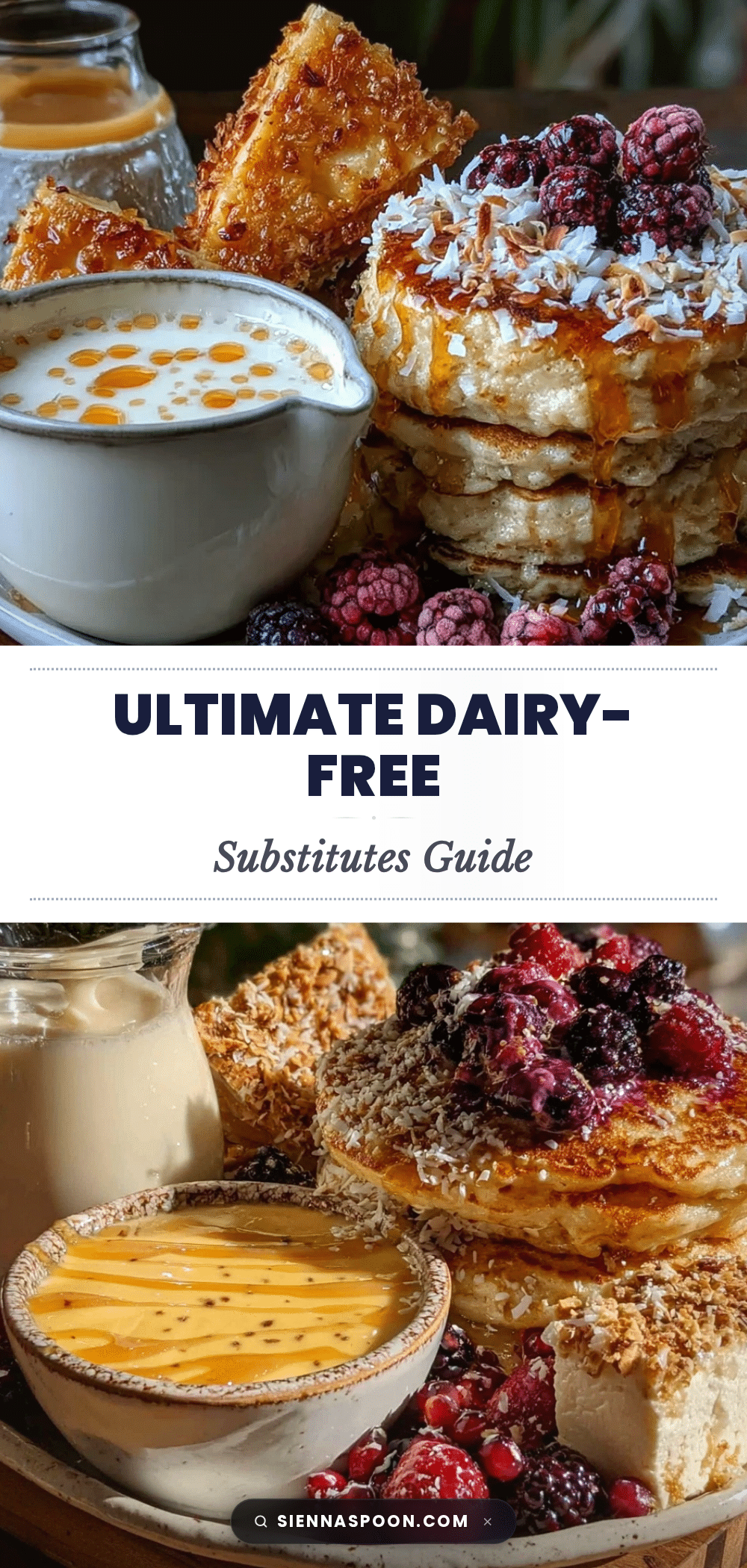
Ultimate Dairy-Free Substitutes Guide 10 Easy Plant-Based Cooking Tips

A comprehensive guide to easy, delicious, and reliable dairy-free substitutes for plant-based cooking, perfect for vegans, lactose intolerant individuals, or anyone curious about dairy-free alternatives.
- Prep Time: 10 minutes (plus soaking time)
- Cook Time: 10-15 minutes
- Total Time: 20-25 minutes (excluding soaking time)
- Yield: Varies depending on recipe
- Category: Guide / Cooking Tips
- Cuisine: Plant-Based / Vegan
Ingredients
- Cashews, raw and unsalted (soaked for at least 4 hours or overnight)
- Coconut milk, full fat (shake well before use)
- Silken tofu (soft and smooth)
- Almond milk or oat milk, unsweetened
- Nutritional yeast flakes
- Apple cider vinegar or lemon juice (freshly squeezed)
- Firm tofu, pressed and crumbled
- Almond or cashew cheese (store-bought or homemade)
- Ground flaxseed or chia seeds (mixed with water as egg replacer)
- Dairy-free margarine or coconut oil (unsweetened)
- Maple syrup or agave nectar
- Garlic powder
- Onion powder
- Smoked paprika or chipotle powder
- Fresh herbs like basil, cilantro, and chives
Instructions
- Soak 1 cup (150g) of raw cashews in water for at least 4 hours or overnight.
- Drain and rinse the soaked cashews thoroughly.
- Combine soaked cashews with ½ cup (4 fl oz) water, 1 tablespoon lemon juice, 1 minced garlic clove, and ½ teaspoon salt in a blender. Blend on high for 1-2 minutes until silky smooth. Add more water if too thick.
- Taste and adjust seasoning with salt, lemon juice, or nutritional yeast for cheesy flavor.
- Shake almond or oat milk carton well before measuring 1 cup (8 fl oz) for recipes.
- Drain and press firm tofu to remove excess moisture; blend or crumble as needed.
- Melt ½ cup (4 oz) dairy-free margarine or coconut oil gently on low heat for baking or sautéing.
- Mix dry ingredients like flaxseed meal (1 tablespoon mixed with 3 tablespoons water as egg replacer) with flours, baking powder, and seasonings for baked goods.
- Follow your recipe’s cooking instructions, substituting dairy with these dairy-free components. Cook creamy sauces gently over medium heat, stirring frequently.
- Let dishes rest for 10-15 minutes to thicken sauces and meld flavors.
Notes
Soak nuts overnight for best texture; use high-speed blender for smoothness. Cook coconut milk and nut creams on low to medium heat to avoid separation. Adjust seasoning gradually. Nut allergies can be accommodated by using seed-based creams or cooked white beans.
Nutrition
- Serving Size: Varies by recipe; ty
- Calories: 15020
- Sugar: 1214
- Sodium: 15014
- Fat: 1214
- Saturated Fat: 414
- Carbohydrates: 814
- Fiber: 1214
- Protein: 4514
Keywords: dairy-free, plant-based, vegan, dairy substitutes, cashew cream, coconut milk, nutritional yeast, tofu, dairy-free cheese, plant milk