Love this? Save it for later!
Share the inspiration with your friends
Introduction: The Late Night Grocery Aisle Revelation
“Why is this so confusing?” I muttered to myself, standing under the harsh fluorescent lights of my local grocery store at 10 PM on a Thursday. The store was nearly empty, except for a harried clerk restocking shelves. I wasn’t exactly planning a midnight grocery run, but my pantry had run dangerously low on gluten-free staples, and honestly, picking the right products felt like decoding a secret language.
I’d been gluten-free for a while, but still, the endless labels, hidden ingredients, and mysterious “may contain” warnings made me freeze up more than once. That night, juggling a cracked shopping basket and a nearly dead phone flashlight, I realized I needed a better system. I started jotting down simple tips on the back of a receipt — the kind of straightforward advice I wish someone had shared when I first went gluten-free.
Maybe you’ve been there too — overwhelmed by ingredient lists that seem to change with every brand. Or maybe you’re just starting out and want to shop confidently without second-guessing every bite. This easy gluten-free label reading guide is the result of those late-night epiphanies and many trial-and-error shopping trips. Let me tell you, it’s made a huge difference in turning what felt like a chore into something almost enjoyable. Plus, it saves me from those “oops” moments when I accidentally bring home something off-limits.
So, whether you’re newly gluten-free or just looking to sharpen your shopping skills, these tips will help you glide through the aisles with confidence, avoiding confusion and picking the best products every time.
Why You’ll Love This Recipe: Your Go-To Guide for Gluten-Free Shopping
Honestly, navigating gluten-free labels can feel like a full-time job, but this guide makes it simple and stress-free. After testing countless products and chatting with fellow gluten-free shoppers, here’s what I’ve learned:
- Quick & Easy: These tips can be applied instantly, so you spend less time puzzling over labels and more time enjoying your food.
- Simple Ingredients: Focus on real, recognizable ingredients that you likely already have experience with.
- Perfect for Every Shopper: Whether you’re shopping for yourself, your family, or hosting friends with dietary needs, this guide helps you pick safe options.
- Crowd-Pleaser: Confident label reading means fewer mistakes and more delicious meals everyone can enjoy without worry.
- Unbelievably Useful: This isn’t just theory — it’s based on hundreds of shopping trips and a few embarrassing product returns.
What makes this guide different? It’s not about memorizing complicated ingredient lists or scanning endless certifications. Instead, it’s about practical, real-world tips that help you build intuition around gluten-free shopping — kind of like having a trusted friend whispering the secrets to you in the grocery aisles. And hey, I still forget my reusable bags sometimes, but with this guide, I never forget what to look for on a label.
What Ingredients You Will Need
This guide isn’t about cooking ingredients, but rather the key “ingredients” in your shopping arsenal — knowledge and awareness. Think of these as your essential tools for reading labels effectively:
- Clear Ingredient Lists: Look for short, simple ingredient lists with recognizable terms like rice flour, tapioca starch, or potato starch.
- Certified Gluten-Free Seals: While not mandatory, labels with an official gluten-free certification (like the GFCO seal) add extra peace of mind.
- Common Gluten Culprits to Watch For: Wheat, barley, rye, malt, and brewer’s yeast are the usual suspects hiding gluten.
- Allergen Statements: Phrases like “may contain wheat” or “processed in a facility that also processes gluten” can signal cross-contamination risks.
- Helpful Add-ins: Apps or printed lists of gluten-free products can be your shopping sidekick — I recommend the Find Me Gluten Free app for quick checks.
Keep in mind, some ingredients have tricky names — for example, maltodextrin could be gluten-free depending on its source, so learning a few common exceptions helps. And for brands, I personally find Bob’s Red Mill and King Arthur Flour reliable for gluten-free baking ingredients. You might notice some seasonal products popping up too; fresh fruits and veggies are naturally gluten-free and a great safe bet when you want to fill your cart with wholesome options.
Equipment Needed
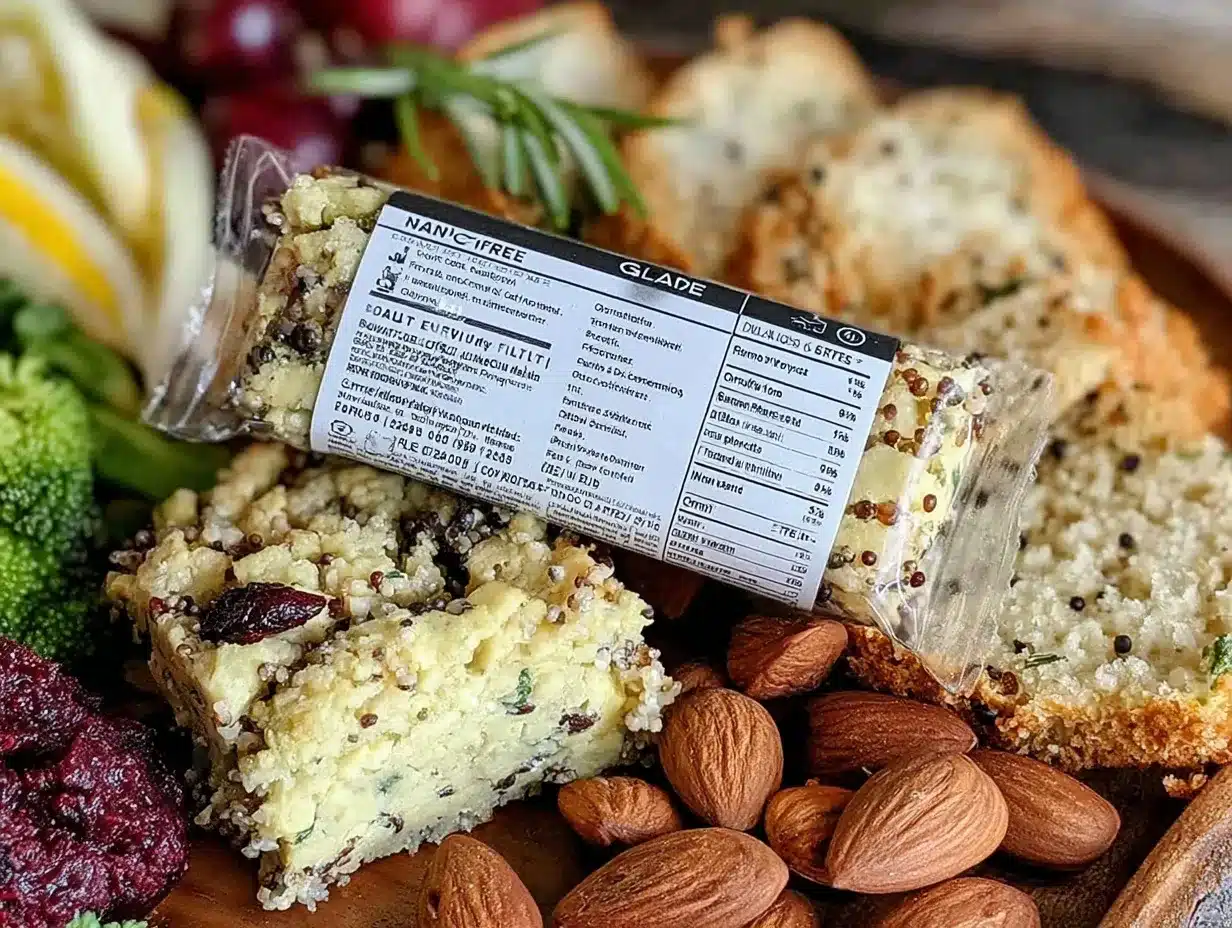
Label reading doesn’t require fancy kitchen gadgets, but having a few tools can make shopping smoother:
- Magnifying Glass or Smartphone Camera: For deciphering tiny print on labels, especially those sneaky ingredient lists.
- Reusable Shopping List: Jotting down gluten-free staples helps keep your shopping focused and quick.
- Gluten-Free Apps: Apps like ShopWell or Gluten Free Scanner can instantly tell you if a product is safe.
- Pen and Paper: Sometimes, good old notes help when you want to compare brands or jot down questions for your dietitian.
I once tried reading a label with my phone flashlight, and I swear the battery drained faster than I expected — so having a small magnifier in your bag can save the day. Plus, a clean, organized grocery tote keeps everything in one place and prevents accidental mixing of gluten-free and regular products.
Preparation Method: How to Read Gluten-Free Labels Like a Pro
- Start with the Front of the Package (1-2 minutes): Look for clear gluten-free claims or certifications. Many brands highlight this proudly, but beware of vague terms like “wheat-free” that don’t always mean gluten-free.
- Check the Ingredient List Thoroughly (3-5 minutes): Scan for obvious gluten sources such as wheat, barley, rye, malt, and brewer’s yeast. Remember, ingredients are listed by weight, so the closer to the front, the more of it in the product.
- Look for Hidden Gluten Ingredients (3 minutes): Some ingredients can hide gluten under less obvious names like hydrolyzed wheat protein or malt vinegar. When in doubt, Google the ingredient or use an app.
- Read Allergen Warnings and Cross-Contamination Notices (1 minute): Statements like “may contain traces of wheat” or “manufactured in a facility that processes gluten” could mean risk for sensitive individuals — decide your comfort level here.
- Trust but Verify With Brand Research (5 minutes initially): If it’s a new brand, a quick online check for gluten-free status or reviews can save you from surprises. Over time, you’ll build a mental list of safe brands and products.
- Use Your Senses (Optional): Sometimes, the smell or texture can hint if something is off, especially with baked goods. This isn’t foolproof but adds an extra layer of confidence.
One time, I grabbed a “gluten-free” labeled bread only to realize later it contained malt syrup from barley — oops. That taught me the importance of double-checking all ingredients and not just relying on the front label. Also, don’t rush! Taking a few extra minutes in the store pays off with fewer headaches later.
Cooking Tips & Techniques for Gluten-Free Shopping Success
Reading labels is only the first step — here are some tips to make your gluten-free shopping and cooking experience even better:
- Stick to Naturally Gluten-Free Foods When Possible: Fresh fruits, veggies, meats, and dairy don’t need label reading, so fill your cart with these regularly.
- Batch Shop and Prep: Buying larger quantities of trusted gluten-free staples saves time and reduces label reading stress.
- Beware of Bulk Bins: Cross-contamination is common here, so unless the store has strict protocols, it’s safer to buy packaged gluten-free items.
- Keep Separate Storage: At home, store gluten-free items away from regular products to avoid mix-ups. I keep a special shelf in my pantry just for these essentials.
- Don’t Be Afraid to Ask: Store employees or brand customer service lines can clarify ingredients if labels confuse you.
I once learned the hard way that oat flour can be a tricky one — not all oats are gluten-free due to processing methods. Now, I always look for “certified gluten-free oats” and keep a separate container just for that. Timing is key too — pairing label reading with your meal planning cuts down last-minute shopping stress. Trust me, your future self will thank you!
Variations & Adaptations
Gluten-free shopping isn’t one-size-fits-all. Here are some ways to tailor your approach:
- For Celiac Disease vs. Sensitivity: If you have celiac disease, be extra strict about cross-contamination warnings. For gluten sensitivity, you might be okay with products labeled “may contain traces.”
- Seasonal Shopping: In summer, lean more on fresh produce and frozen gluten-free fruits to avoid packaged goods with confusing labels.
- Flavor Preferences: If you love baking, try different gluten-free flours like almond or coconut flour, but always check labels for additives.
- Dairy-Free or Vegan Options: Some gluten-free items also cater to other diets. Look for combined labels to simplify shopping.
- International Brands: If you shop at specialty stores, ingredient names vary by country. Learning a few key foreign terms can help.
Personally, I experimented with swapping regular gluten-free pasta for lentil-based pasta brands — just remember to read those labels carefully, as some might contain wheat starch or other hidden gluten. Customizing your shopping list based on your lifestyle and taste makes gluten-free living more enjoyable and less of a chore.
Serving & Storage Suggestions
Once you’ve selected your gluten-free products, here’s how to handle and enjoy them:
- Serving Temperature: Many gluten-free baked goods are best served fresh or slightly warmed to restore softness.
- Complementary Foods: Pair gluten-free breads or crackers with flavorful cheeses, dips, or fresh veggies for quick snacks.
- Storage Tips: Store gluten-free flours and mixes in airtight containers to keep them fresh and free from moisture.
- Freezing: Many gluten-free baked items freeze well. Wrap tightly and thaw at room temperature or warm gently in the oven.
- Flavor Development: Some gluten-free doughs and batters actually improve after resting, so plan ahead when baking.
I keep a little stash of gluten-free granola bars in my freezer for busy mornings — they thaw quickly and taste just as good as fresh. Also, label your storage containers clearly to avoid confusion with regular ingredients. This little step has saved me from a few kitchen mix-ups!
Nutritional Information & Benefits
Gluten-free products vary widely in nutrition, but here’s what to keep in mind:
- Calories and Carbs: Some gluten-free breads and snacks can be higher in calories or sugars to compensate for texture and flavor.
- Fiber Content: Many gluten-free flours lack fiber, so include whole grains like quinoa and brown rice to balance your diet.
- Gluten-Free Doesn’t Always Mean Healthy: Watch for added fats and sugars, especially in processed products.
- Allergens: Check for nuts, soy, or dairy if you have additional allergies alongside gluten intolerance.
- Personal Wellness: For me, a gluten-free diet balances digestive ease and energy levels — but it’s important to listen to your body and adapt accordingly.
Remember, gluten-free is a dietary need or choice, but maintaining a balanced diet is key to feeling your best. Combining label reading with mindful eating helps you stay both safe and nourished.
Conclusion
Reading gluten-free labels doesn’t have to feel like rocket science. With a few simple habits, a bit of practice, and this easy gluten-free label reading guide in your pocket, you’ll shop with confidence and avoid those stressful “did I grab the right thing?” moments. I love this guide because it’s practical, human, and based on real shopping adventures — including a few missteps that taught me valuable lessons.
Feel free to customize your approach based on your personal needs and tastes. And hey, if you have your own label-reading hacks or favorite gluten-free brands, I’d love to hear about them in the comments below! Sharing tips makes the journey easier for all of us.
So next time you’re wandering the aisles, remember: you’ve got this. Happy gluten-free shopping!
FAQs About Gluten-Free Label Reading
- What does “gluten-free” certification mean? It means the product has been tested to contain less than 20 parts per million of gluten, the FDA’s standard for safe gluten-free foods.
- Can products labeled “wheat-free” still have gluten? Yes, wheat-free doesn’t always mean gluten-free since gluten can come from other grains like barley or rye.
- Are oats safe for gluten-free diets? Only if they are labeled “certified gluten-free,” as regular oats may be cross-contaminated with gluten-containing grains.
- How do I handle products that say “may contain traces of wheat”? This indicates potential cross-contamination; those with celiac disease should generally avoid these products.
- Is “malt” always a gluten ingredient? Malt usually comes from barley and contains gluten, so it’s best avoided on a strict gluten-free diet.
For those interested in honing their gluten-free cooking skills further, learning about gluten-free baking basics can perfectly complement this guide. And if you love simple meal ideas, the easy one-pot gluten-free dinners post is a fantastic resource to keep dinner stress-free.
Pin This Recipe!
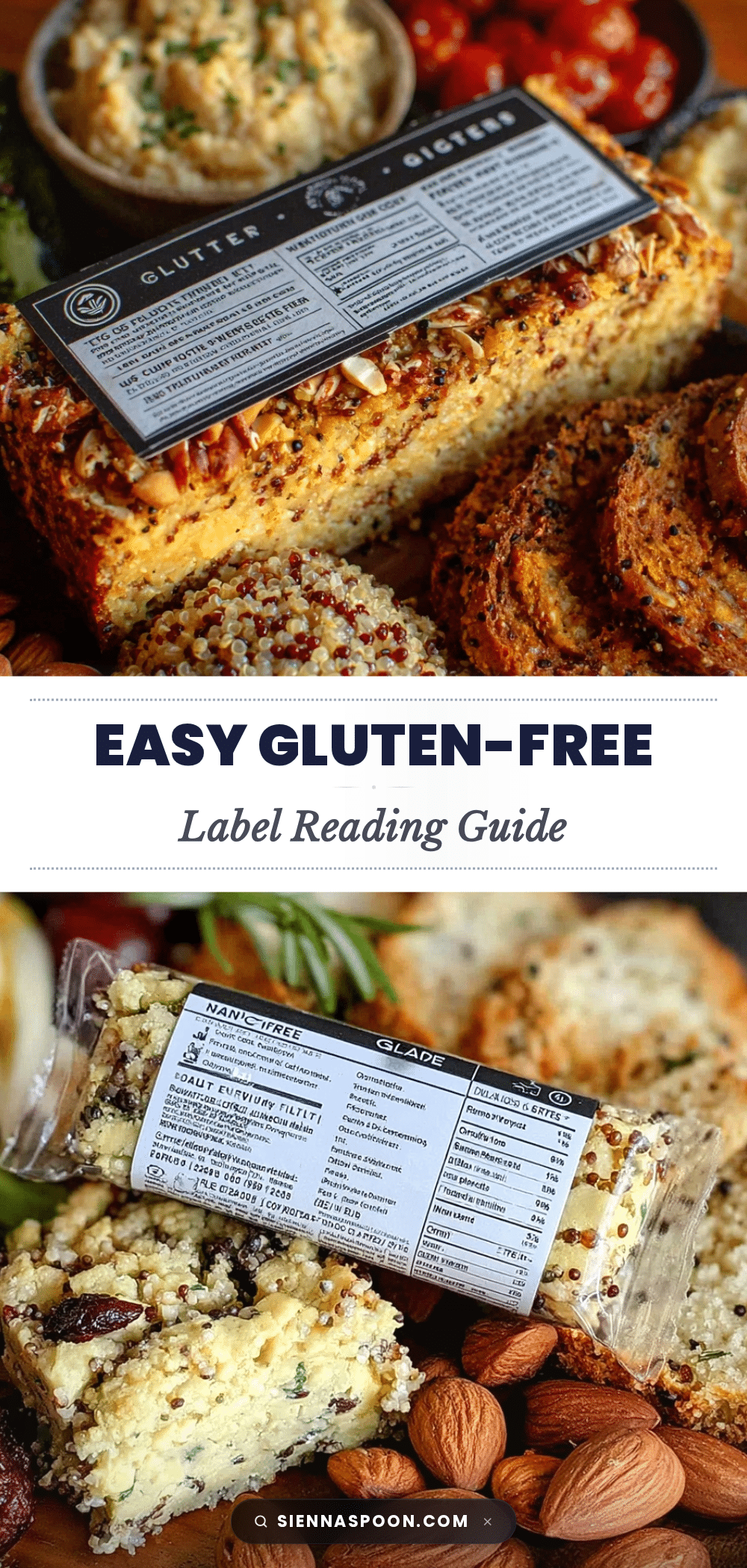
Easy Gluten-Free Label Reading Guide 5 Tips for Confident Shopping
This guide provides practical tips for reading gluten-free labels confidently, helping you shop safely and avoid gluten-containing products with ease.
- Prep Time: 0 minutes
- Cook Time: 0 minutes
- Total Time: 0 minutes
- Yield: Not applicable
- Category: Guide
- Cuisine: Gluten-Free
Ingredients
- Clear ingredient lists with recognizable terms like rice flour, tapioca starch, or potato starch
- Certified gluten-free seals (e.g., GFCO seal)
- Awareness of common gluten culprits such as wheat, barley, rye, malt, and brewer’s yeast
- Attention to allergen statements like ‘may contain wheat’ or ‘processed in a facility that also processes gluten’
- Helpful tools like gluten-free apps (Find Me Gluten Free, ShopWell, Gluten Free Scanner)
Instructions
- Start with the front of the package (1-2 minutes): Look for clear gluten-free claims or certifications, but beware of vague terms like ‘wheat-free’.
- Check the ingredient list thoroughly (3-5 minutes): Scan for obvious gluten sources such as wheat, barley, rye, malt, and brewer’s yeast.
- Look for hidden gluten ingredients (3 minutes): Identify less obvious names like hydrolyzed wheat protein or malt vinegar; use apps or Google if unsure.
- Read allergen warnings and cross-contamination notices (1 minute): Consider statements like ‘may contain traces of wheat’ and decide your comfort level.
- Trust but verify with brand research (5 minutes initially): Check online for gluten-free status or reviews of new brands to build a mental list of safe products.
- Use your senses (optional): Smell or texture can sometimes indicate if a product is off, especially baked goods.
Notes
Take your time reading labels to avoid mistakes; use apps and online resources for verification; stick to naturally gluten-free foods when possible; store gluten-free items separately to avoid cross-contamination; batch shop to reduce stress.
Nutrition
- Serving Size: Not applicable
Keywords: gluten-free, label reading, gluten-free shopping, gluten-free guide, gluten-free tips, gluten-free diet, gluten-free products