Love this? Save it for later!
Share the inspiration with your friends
“I wasn’t expecting a summer dinner revelation from my local farmer’s market, but there I was, chatting with a spirited woman named Lila who insisted I try her fresh plant-based summer dinners. She handed me a bowl filled with vibrant veggies and herbs, no meat, no processed anything—just pure, whole food magic. Honestly, I walked away with a scratched notebook and an eager appetite. Maybe you’ve been there, wandering stalls on a hot Saturday morning, hoping to find something that feels light yet satisfying. This recipe collection grew from that serendipitous afternoon, inspired by summer’s bounty and the joy of simple, wholesome eating. No fuss, no heavy sauces, just fresh flavors that make you want to linger at the table a little longer.”
Let me tell you, these dishes aren’t just about raw ingredients thrown together; they’re thoughtfully crafted meals that honor the whole food vegan lifestyle while embracing the easy-going spirit of summer. I remember juggling notes while my friend’s toddler spilled berries on the floor (because, of course), but I was too excited to care. These dinners bring that same casual, joyful energy into your kitchen—perfect for long evenings when you want something nourishing but not complicated. It’s like a culinary cool breeze that leaves you feeling energized, not weighed down. And why do I keep coming back to these recipes? Because, honestly, they capture that fresh, sunlit feeling of summer in every bite.”
Why You’ll Love This Recipe
When it comes to fresh plant-based summer dinners, I’ve tested countless variations in my kitchen to find what really works. These whole food vegan recipes stand out because they’re:
- Quick & Easy: Ready in under 30 minutes, making them perfect for those warm evenings when you’d rather be outside than stuck inside cooking.
- Simple Ingredients: You likely have most of these in your pantry or fridge already—think fresh veggies, herbs, nuts, and wholesome grains.
- Perfect for Summer: Light, refreshing, and bursting with seasonal flavors that celebrate the garden’s best offerings.
- Crowd-Pleaser: Whether it’s a family dinner or a casual get-together, these recipes get rave reviews from vegans and non-vegans alike.
- Unbelievably Delicious: The combination of crisp textures and bright flavors makes every bite feel like a mini celebration of fresh food.
What sets these recipes apart? It’s not just the ingredients, but the way they’re combined. For example, one of my favorites involves marinating zucchini ribbons in a simple lemon-tahini dressing that penetrates every bite without overpowering the natural sweetness of the summer squash. This isn’t just another salad; it’s a thoughtfully balanced dish where each component shines. Honestly, this kind of recipe feels like comfort food reimagined—healthy, satisfying, and perfect for impressing guests without breaking a sweat.
What Ingredients You Will Need
These fresh plant-based summer dinners rely on vibrant, wholesome ingredients that come alive in the warmer months. Here’s what you’ll generally need to prepare these dishes:
- Fresh Vegetables: Look for zucchini, cherry tomatoes, cucumbers, bell peppers, and summer squash. Local and organic options are ideal for the best flavor.
- Leafy Greens & Herbs: Fresh basil, mint, cilantro, arugula, and baby spinach bring brightness and aroma.
- Whole Grains & Legumes: Quinoa, brown rice, chickpeas, and lentils provide satisfying texture and plant-based protein.
- Nuts & Seeds: Toasted almonds, walnuts, sunflower seeds, or pumpkin seeds add crunch and healthy fats.
- Flavor Enhancers: Garlic, fresh ginger, lemon juice, apple cider vinegar, and tamari or coconut aminos for a little umami.
- Oils: Extra virgin olive oil or cold-pressed avocado oil for dressings and light sautéing (use sparingly to keep dishes light).
- Optional Add-ins: Avocado for creaminess, nutritional yeast for a cheesy note, or fresh fruit like peaches or watermelon for a sweet contrast.
For the best results, I recommend using organic, seasonal produce whenever possible. For instance, cherry tomatoes from the farmer’s market taste so much sweeter than supermarket varieties. And if you’re looking for a gluten-free option, swapping quinoa for brown rice or millet works beautifully. When I’m pressed for time, I reach for canned chickpeas but rinse them well to keep the flavor fresh and clean. Trust me, these simple choices make a big difference in your final dish.
Equipment Needed
One of the reasons these fresh plant-based summer dinners are so easy is that they don’t require fancy gadgets. Here’s what you’ll want on hand:
- Sharp Chef’s Knife: Essential for slicing veggies thinly and evenly—key for nice texture.
- Cutting Board: I recommend having a sturdy one; I have a wooden board that’s seen better days but still does the job.
- Mixing Bowls: Various sizes for tossing salads and mixing dressings.
- Salad Spinner: Great for washing and drying leafy greens quickly—makes a difference in salad crispness.
- Measuring Cups & Spoons: To keep dressings and seasonings balanced.
- Blender or Food Processor (optional): Useful if you want to whip up creamy dressings or blend soaked nuts into sauces.
If you don’t have a salad spinner, a clean kitchen towel works in a pinch for drying greens. And for chopping, take your time—no need to rush and risk dulling your knife. Honestly, these tools aren’t expensive, and investing in a decent chef’s knife will change your cooking game.
Preparation Method
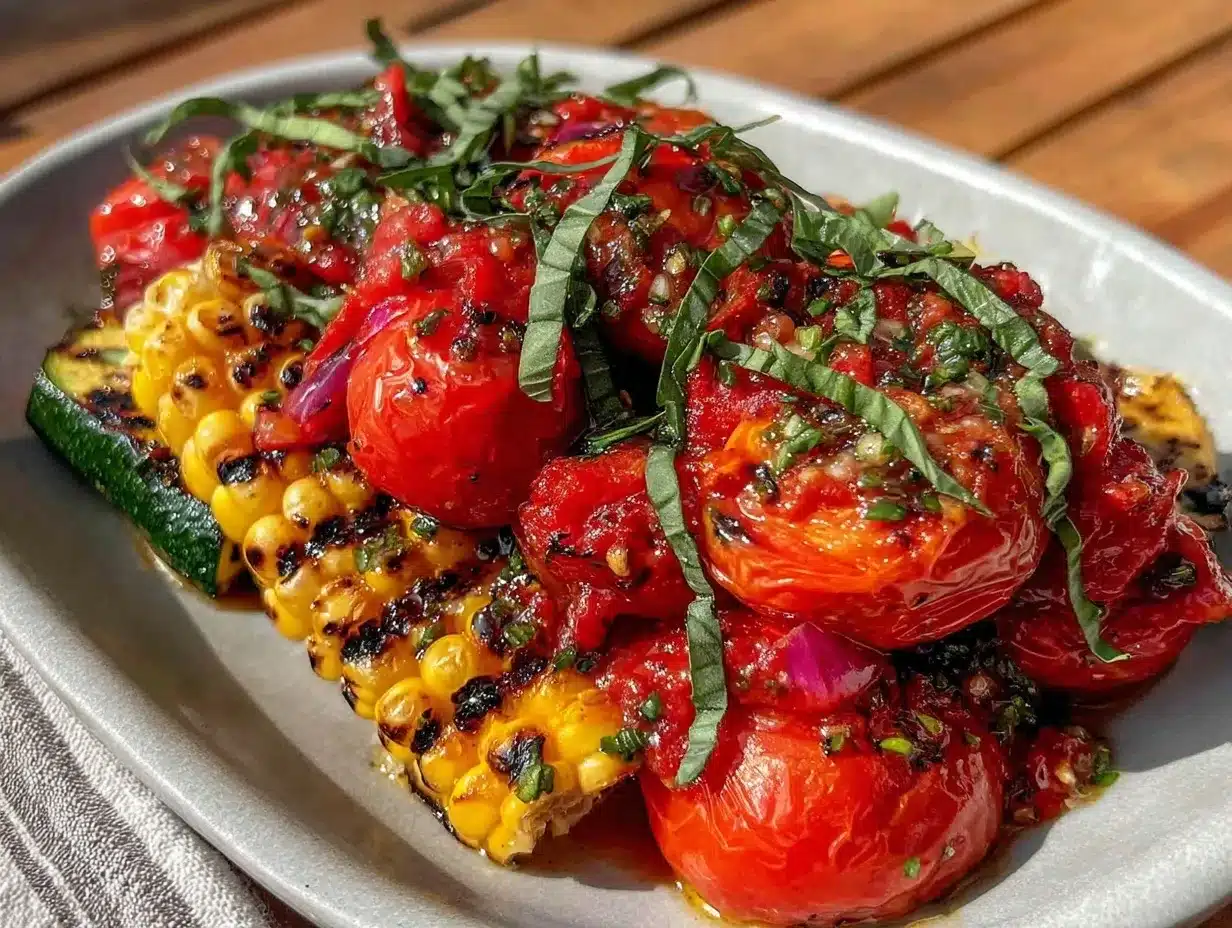
- Prep the Vegetables (10-15 minutes): Wash all your fresh produce thoroughly. Use a salad spinner to dry leafy greens or pat them dry with a towel. Thinly slice zucchini, cucumbers, and bell peppers. Halve cherry tomatoes. Remember, uniform cuts help everything mix well and look inviting.
- Cook Whole Grains or Legumes (15-20 minutes): Rinse quinoa or brown rice under cold water, then cook according to package instructions—typically about 15 minutes for quinoa. For chickpeas or lentils, use canned (rinsed) or pre-cooked versions to save time.
- Make the Dressing (5 minutes): In a small bowl, whisk together lemon juice, minced garlic, a touch of maple syrup, tahini or olive oil, and tamari. Adjust seasoning with salt and pepper. The goal is a bright, balanced dressing that complements the fresh veggies without overpowering them.
- Toss Everything Together (5 minutes): In a large bowl, combine your veggies, cooked grains, and leafy greens. Drizzle the dressing over the top and toss gently but thoroughly. If you like, add toasted nuts or seeds for crunch and texture.
- Chill or Serve Immediately: You can serve these dishes right away for maximum freshness, or refrigerate for 30 minutes to let flavors meld. Just don’t wait too long—summer veggies shine brightest when eaten fresh!
One tip I learned the hard way: don’t overdress the salad. Start with less dressing and add more if needed. Nobody wants soggy zucchini ribbons! Also, if you’re prepping ahead, keep the dressing separate until just before serving. This keeps everything crisp and inviting.
Cooking Tips & Techniques
Plant-based summer dinners are all about highlighting fresh ingredients, so the techniques lean toward gentle handling and quick assembly. Here are some tips from my kitchen trials:
- Thin slicing is your friend. Using a mandoline or a sharp knife to slice veggies paper-thin adds elegance and ensures every bite has balanced texture.
- Toast your nuts and seeds. A quick 3-4 minute toast in a dry skillet amplifies their flavor and adds a satisfying crunch that contrasts beautifully with tender veggies.
- Marinate for flavor depth. Even 10 minutes in a simple dressing can soften veggies slightly and help flavors meld—perfect when you want a more cohesive dish.
- Don’t overcook grains. They should be fluffy but firm to the bite. Overcooked quinoa or rice can turn mushy and drag down the dish.
- Keep dressings balanced. A little acid (lemon or vinegar), a touch of sweetness, and a pinch of salt create harmony. Add freshly ground black pepper for a subtle kick.
One time, I forgot to toast the almonds in my favorite summer salad and honestly, the dish felt flat. That crunch really makes a difference. Also, multitasking helps—while the grains cook, prep your veggies and whip up the dressing to keep things moving efficiently.
Variations & Adaptations
Fresh plant-based summer dinners are wonderfully flexible. Here are a few ways to mix things up:
- Seasonal Swaps: Use summer stone fruits like peaches or nectarines in salads for a sweet twist. In cooler months, swap for roasted root vegetables.
- Protein Boost: Add grilled tempeh or baked tofu cubes seasoned with smoked paprika for a heartier meal.
- Different Grains: Try millet, farro, or barley instead of quinoa or rice for varied texture and flavor.
- Dressing Alternatives: Experiment with a ginger-sesame dressing or a creamy avocado-lime blend for different flavor profiles.
- Allergen-Friendly: Omit nuts and seeds or substitute with roasted chickpeas if allergies are a concern.
Personally, I love adding a handful of diced watermelon and fresh mint to one of these summer dinners for a refreshing pop. It’s unexpected but works amazingly well. Also, for a smoky flavor, a quick toss through a grill pan before assembling can add depth without adding complexity.
Serving & Storage Suggestions
Serve these fresh plant-based summer dinners chilled or at room temperature for the best experience. Presentation matters, so consider layering ingredients or using vibrant bowls that highlight the colors. Pair with crusty whole grain bread or a light fruit-infused sparkling water to keep the meal bright and refreshing.
Store leftovers in airtight containers in the refrigerator for up to two days. Keep dressings separate if possible to maintain crispness. When reheating grains or legumes, a quick warm-up in the microwave or on the stove with a splash of water works well but avoid reheating the veggies to preserve texture.
Flavors tend to meld beautifully after resting a few hours, so these dinners often taste even better the next day. Just remember to add fresh herbs or a squeeze of lemon before serving to refresh the dish.
Nutritional Information & Benefits
These fresh plant-based summer dinners offer a wealth of nutrients from whole foods. Expect a good balance of fiber, plant-based protein, and healthy fats. Key ingredients like leafy greens provide vitamin K and antioxidants, while nuts and seeds contribute heart-healthy fats and minerals.
Because the recipes focus on minimally processed ingredients, they naturally support digestion and sustained energy without the sluggishness that heavier meals bring. They’re naturally gluten-free if you choose gluten-free grains and free from refined sugars, making them suitable for a range of dietary needs. Plus, they’re rich in phytonutrients that support overall wellness—something I always appreciate after a long day.
Conclusion
Fresh plant-based summer dinners are a perfect way to celebrate the season with wholesome, vibrant meals that satisfy without weighing you down. These recipes invite you to savor the natural flavors of the freshest ingredients while keeping preparation simple and enjoyable. I love how they bring a sense of lightness and joy to the table, making weeknight dinners feel special and effortless.
Give these recipes a try and feel free to tweak them to your liking—maybe add your favorite herbs or swap in a different grain. I’d love to hear how you make them your own, so please leave a comment sharing your variations or discoveries. Let’s keep the conversation fresh and flavorful, just like these summer dinners!
Frequently Asked Questions
What are some easy whole food vegan ingredients to keep on hand for summer dinners?
Fresh veggies like zucchini, tomatoes, leafy greens, grains like quinoa, and pantry staples like nuts and seeds are great go-tos.
Can I prepare these plant-based dinners ahead of time?
Yes! Just keep dressings separate until serving to maintain freshness and crunch.
How can I add protein to these whole food vegan recipes?
Include cooked lentils, chickpeas, tofu, or tempeh for an extra protein boost.
Are these recipes suitable for gluten-free diets?
Absolutely, just choose gluten-free grains like quinoa or millet and avoid cross-contamination.
What’s a good way to store leftovers?
Store in airtight containers in the fridge for up to two days, and reheat grains separately to keep veggies fresh.
For more ideas on simple, wholesome meals, you might enjoy trying my crispy garlic chicken recipe or browsing our collection of summer vegan salads that pair beautifully with these fresh dinners.
Pin This Recipe!
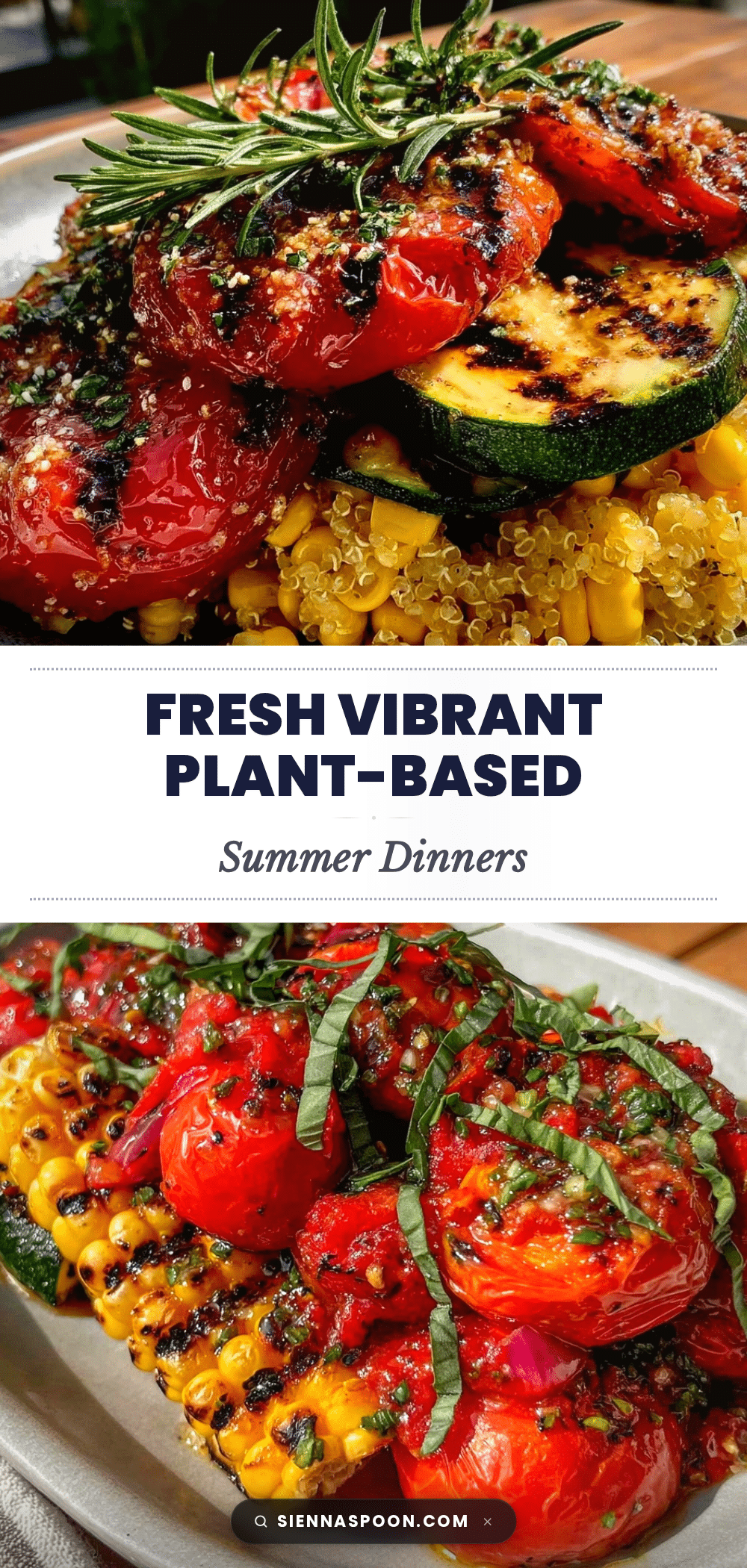
Fresh Plant-Based Summer Dinners Easy Whole Food Vegan Recipes
These fresh plant-based summer dinners are quick, easy, and perfect for warm evenings. They feature vibrant veggies, wholesome grains, and simple dressings that celebrate the best of summer’s bounty.
- Prep Time: 15 minutes
- Cook Time: 20 minutes
- Total Time: 35 minutes
- Yield: 4 servings
- Category: Main Course
- Cuisine: Vegan, Whole Food
Ingredients
- Zucchini
- Cherry tomatoes
- Cucumbers
- Bell peppers
- Summer squash
- Fresh basil
- Mint
- Cilantro
- Arugula
- Baby spinach
- Quinoa
- Brown rice
- Chickpeas
- Lentils
- Toasted almonds
- Walnuts
- Sunflower seeds
- Pumpkin seeds
- Garlic
- Fresh ginger
- Lemon juice
- Apple cider vinegar
- Tamari or coconut aminos
- Extra virgin olive oil or cold-pressed avocado oil
- Optional: Avocado, nutritional yeast, fresh fruit like peaches or watermelon
Instructions
- Prep the Vegetables (10-15 minutes): Wash all fresh produce thoroughly. Use a salad spinner to dry leafy greens or pat dry with a towel. Thinly slice zucchini, cucumbers, and bell peppers. Halve cherry tomatoes. Ensure uniform cuts.
- Cook Whole Grains or Legumes (15-20 minutes): Rinse quinoa or brown rice under cold water, then cook according to package instructions (about 15 minutes for quinoa). Use canned (rinsed) or pre-cooked chickpeas or lentils to save time.
- Make the Dressing (5 minutes): Whisk together lemon juice, minced garlic, a touch of maple syrup, tahini or olive oil, and tamari. Adjust seasoning with salt and pepper to create a bright, balanced dressing.
- Toss Everything Together (5 minutes): Combine veggies, cooked grains, and leafy greens in a large bowl. Drizzle dressing over and toss gently but thoroughly. Add toasted nuts or seeds for crunch if desired.
- Chill or Serve Immediately: Serve right away for maximum freshness or refrigerate for 30 minutes to let flavors meld. Avoid overdressing to prevent sogginess.
Notes
Use organic, seasonal produce for best flavor. Toast nuts and seeds briefly to enhance crunch and flavor. Keep dressing separate if preparing ahead to maintain crispness. Thin slicing vegetables improves texture and presentation. Avoid overdressing to prevent soggy veggies.
Nutrition
- Serving Size: 1 bowl (approximatel
- Calories: 350
- Sugar: 6
- Sodium: 300
- Fat: 15
- Saturated Fat: 2
- Carbohydrates: 40
- Fiber: 8
- Protein: 10
Keywords: plant-based, summer dinners, whole food, vegan, fresh vegetables, quick recipes, healthy, gluten-free option