Love this? Save it for later!
Share the inspiration with your friends
Someone asked me last week why I always have acorn squash sitting on my kitchen counter. Not in the fridge, not in a cabinet — just sitting there, like a small orange sculpture I’m not ready to cook yet. I didn’t have a good answer at the time. But looking back, I think it’s because acorn squash feels forgiving. It waits. It doesn’t turn on you the way an avocado does, or go soft overnight like zucchini. It just sits there, patient, until you’re ready.
Last fall, I was definitely not ready. I had planned to make a stuffed acorn squash — the kind where you roast the halves and fill them with quinoa and dried cranberries and pretend you’re very fancy. I had the squash. I had the quinoa. I even had those dried cranberries that always seem to multiply in the back of my pantry. But I also had a three-year-old who decided that Tuesday was the day she would refuse all orange foods, a dog who kept scratching at the back door, and a timer I forgot to set. The squash came out of the oven looking sad. Not burnt, just… sad. Soft and a little watery, with edges that had gone limp instead of caramelized.
I stood there staring at these two sad squash halves, and I thought, well, that’s dinner ruined. But I was too tired to start over, so I grabbed a knife and cut them into rings instead. Half-inch thick, maybe a little uneven. I brushed them with maple syrup — the good stuff, not the pancake kind — sprinkled on some salt and pepper, and threw them back in the oven on a higher heat. Honestly, I was just trying to salvage the situation. I didn’t expect much.
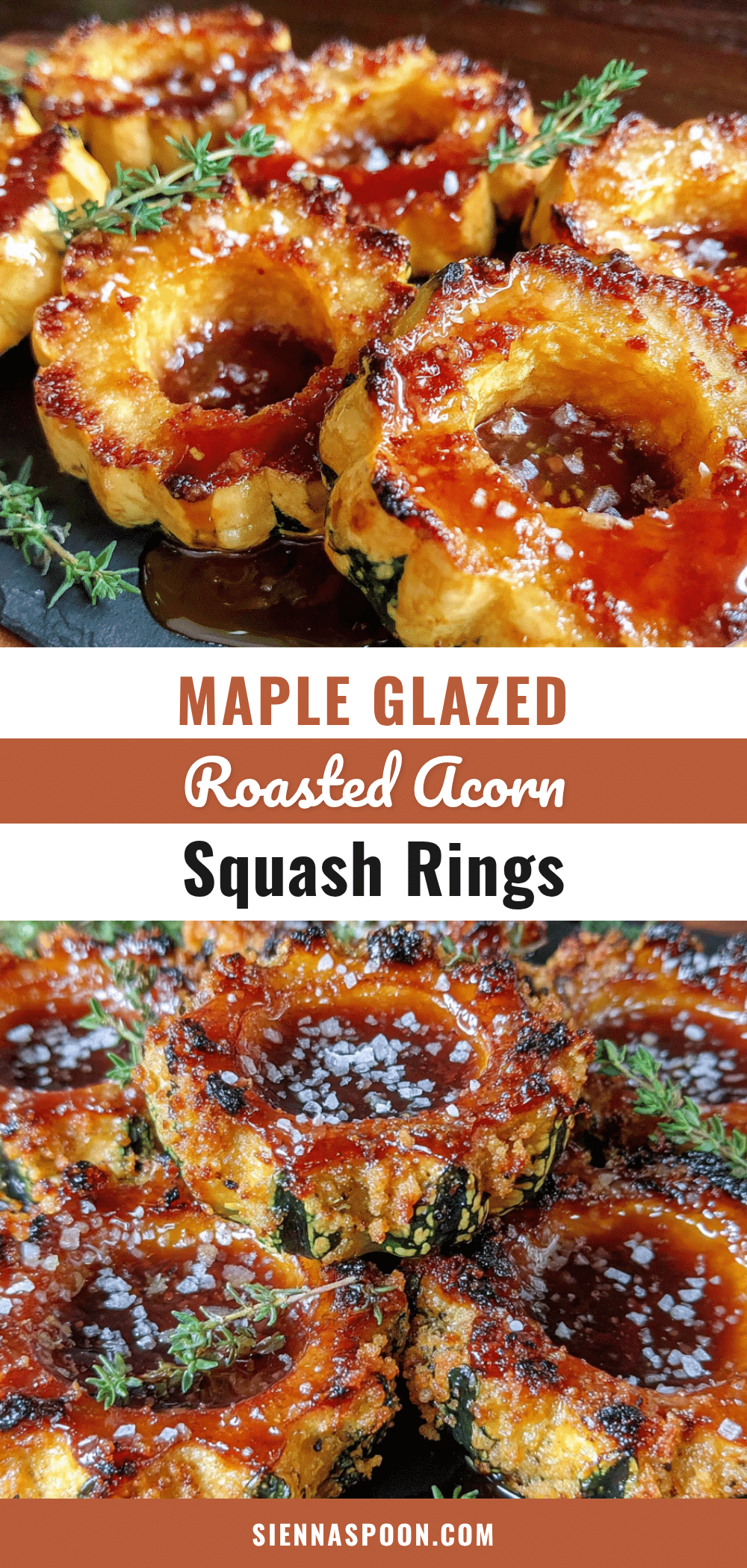
Twenty minutes later, I pulled out a tray of maple glazed roasted acorn squash rings that looked like they belonged on a restaurant menu. The edges were crispy and dark, the centers were tender but not mushy, and the maple syrup had turned into this sticky, glossy glaze that caught the light. My daughter ate three rings before I could even sit down. The dog stopped scratching. And I stood there, holding the spatula, thinking, how did that even happen?
That’s the thing about cooking, you know. Sometimes the best recipes come from the moments when everything goes wrong. This maple glazed roasted acorn squash rings recipe is proof that you don’t need to follow the plan to get something beautiful. You just need a little maple syrup, a hot oven, and the willingness to try something different when the original idea falls apart.
Why You’ll Love This Recipe
Let me tell you why these maple glazed roasted acorn squash rings have become my go-to side dish for pretty much everything. I’ve tested this recipe at least a dozen times — sometimes with different squash sizes, different oven temperatures, different syrups — and every single time, it works. That’s not bragging. That’s just me being honest about the hours I’ve spent staring at squash rings through an oven door.
- Quick & Easy: From start to finish, you’re looking at about 35 minutes. That’s less time than it takes to decide what to order for takeout. The active prep time is maybe 10 minutes — the rest is just the oven doing its thing.
- Simple Ingredients: You need acorn squash, maple syrup, olive oil, salt, and pepper. That’s it. Five ingredients. No trips to a specialty grocery store, no hunting for obscure spices, no reading labels to find out what “natural flavors” actually means.
- Perfect for Fall Gatherings: These rings are the kind of dish that shows up at Thanksgiving and gets that “wait, what is this?” reaction. They’re fancy enough for company but simple enough for a Tuesday night when you need something green — well, orange — on your plate.
- Crowd-Pleaser: I’ve served these to picky kids, vegetable-skeptical adults, and people who usually reach for the bread basket first. They all go back for seconds. The maple glaze does something magical — it makes vegetables feel like a treat.
- Unbelievably Delicious: The texture is what gets me every time. The edges get crispy and almost caramelized, while the centers stay soft and sweet. It’s like eating candy, but you’re actually eating a vegetable. Your body doesn’t know what hit it.
What makes this recipe different from every other roasted squash recipe out there? It’s the ring shape. Cutting the squash into rings instead of halves or cubes changes everything. More surface area means more caramelization. More edges mean more crispy bits. And the presentation — honestly, rings just look prettier on a plate. They feel intentional, like you planned it that way, even if you’re secretly remembering the night you made them by accident.
This recipe isn’t just good — it’s the kind that makes you close your eyes after the first bite. It’s comfort food reimagined: healthier, faster, but with the same soul-soothing satisfaction. Perfect for impressing guests without stress, or turning a simple weeknight meal into something memorable.
What Ingredients You Will Need
This maple glazed roasted acorn squash rings recipe uses simple, wholesome ingredients that work together to create something way bigger than the sum of their parts. Most of these are probably already in your kitchen — and if they’re not, they’re easy to find at any grocery store.
- 1 large acorn squash (about 1.5 to 2 pounds) — Look for a squash that feels heavy for its size and has a deep green color with some orange patches. The orange patches mean it’s ripe and will be sweeter. Avoid squash with soft spots or cracks. I usually grab mine from the farmers’ market in early fall, but grocery store squash works just fine too.
- 3 tablespoons pure maple syrup — Please use the real stuff here. Not pancake syrup, not “maple-flavored” syrup, but actual maple syrup. Grade A dark amber is my go-to because it has a stronger flavor that stands up to roasting. The syrup is what creates that glossy, sticky glaze, so don’t skimp on quality. If you’re in a pinch, honey works as a substitute, but the flavor will be different.
- 2 tablespoons olive oil — You want a good-quality olive oil here, but nothing too fancy. Extra virgin works great. The oil helps the squash caramelize and keeps the rings from sticking to the baking sheet. Avocado oil is a fine substitute if that’s what you have.
- 1/2 teaspoon salt — I use fine sea salt for even distribution. The salt balances the sweetness of the maple syrup and brings out the natural flavor of the squash. If you’re using kosher salt, you might need a bit more — about 3/4 teaspoon.
- 1/4 teaspoon black pepper — Freshly ground is best. The pepper adds a tiny bit of warmth that complements the maple without overpowering it. Don’t skip it — it makes a difference.
- Optional: 1/4 teaspoon cinnamon or cayenne pepper — This is entirely up to you. Cinnamon gives the rings a cozy, dessert-like vibe. Cayenne adds a subtle heat that plays really well with the sweet maple. I’ve done both, and honestly, I can’t pick a favorite. Try the cinnamon version for breakfast and the cayenne version for dinner.
- Optional: Fresh thyme or rosemary for garnish — A sprinkle of fresh herbs right before serving makes the dish look beautiful and adds a savory note. I like thyme because it’s delicate, but rosemary works too if you chop it finely.
One thing I’ve learned from making this recipe over and over: the quality of your maple syrup matters more than you think. I once used a cheap bottle I found at the back of my pantry, and the glaze came out thin and watery. The rings were still good, but they didn’t have that sticky, caramelized finish that makes this recipe special. Spend the extra dollar or two on real maple syrup. Your squash deserves it.
Equipment Needed
You don’t need a lot of fancy equipment for this recipe, which is part of why I love it. Here’s what you’ll need:
- Sharp chef’s knife — Acorn squash is tough. A dull knife is dangerous and frustrating. Use a sharp 8-inch chef’s knife to cut through the squash safely. If your knife isn’t sharp, consider investing in a knife sharpener — it makes a world of difference.
- Cutting board — A sturdy wooden or plastic cutting board with a non-slip bottom. You’ll be applying some pressure to cut the squash, so you want something that won’t slide around.
- Large baking sheet — A rimmed baking sheet is ideal. The rim catches any syrup that drips off the rings and prevents mess in your oven. I use a half-sheet pan (18×13 inches) for a single batch. If you’re doubling the recipe, use two pans — overcrowding leads to steaming instead of roasting.
- Parchment paper or silicone baking mat — This is optional but highly recommended. Parchment paper makes cleanup a breeze and prevents the maple glaze from sticking to your pan. Silicone mats work too, but they don’t crisp the bottoms quite as well.
- Mixing bowl — A medium-sized bowl for tossing the squash rings with oil, maple syrup, and seasonings. Any bowl will do — just make sure it’s large enough to hold all the rings without crowding.
- Pastry brush — Not strictly necessary, but helpful for brushing extra maple syrup onto the rings halfway through roasting. If you don’t have one, you can use a spoon to drizzle.
- Measuring spoons — For measuring the maple syrup, oil, and seasonings. Eyeballing works in a pinch, but measuring ensures consistent results.
If you don’t have a pastry brush, don’t run out and buy one just for this recipe. I’ve used the back of a spoon, a clean finger, and even a paper towel folded into a square. The rings turn out great either way.
Preparation Method
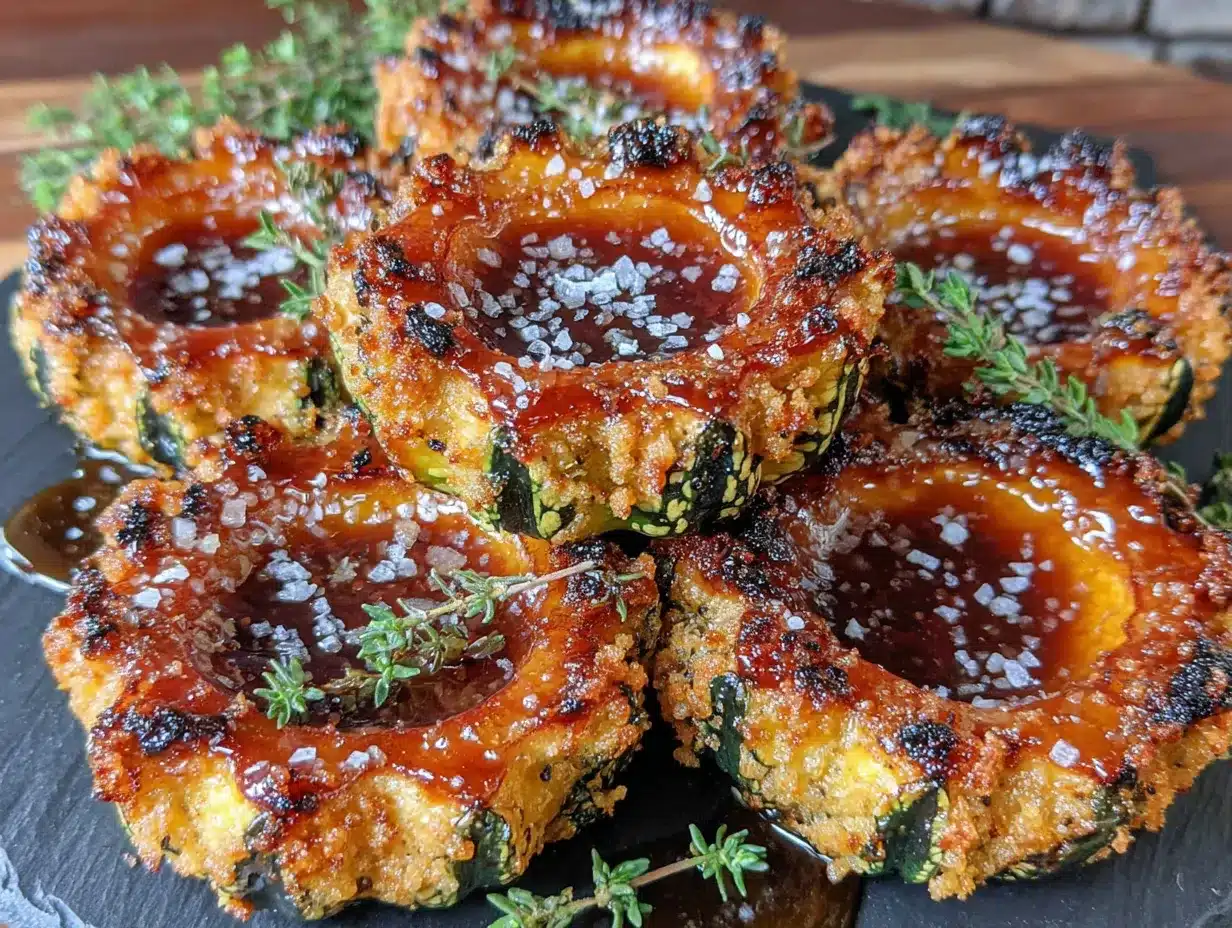
Alright, let’s get to the good part. Here’s how to make maple glazed roasted acorn squash rings that will make you forget you ever roasted squash any other way.
- Preheat your oven to 400°F (200°C). Give it a full 15 minutes to come to temperature. A properly preheated oven is crucial for caramelization — if you put the squash in too early, it’ll steam instead of roast, and you’ll end up with sad, soggy rings.
- Prepare the squash. Wash the acorn squash under running water and dry it with a clean towel. Place it on your cutting board and, using a sharp chef’s knife, carefully cut off the top and bottom ends — just enough to create flat surfaces. This makes the squash stable and easier to cut. Now, slice the squash crosswise into rings about 1/2-inch thick. You should get 5 to 7 rings from a medium squash, depending on its size. Use a spoon or a small knife to scrape out the seeds and stringy pulp from the center of each ring. Don’t worry if some rings break — they’ll still taste amazing.
- Make the glaze. In your mixing bowl, whisk together the maple syrup, olive oil, salt, and pepper. If you’re using cinnamon or cayenne, add it now. Taste the glaze — it should be sweet and savory with a good balance. Adjust salt or pepper if needed.
- Toss the rings. Add the squash rings to the bowl with the glaze. Use your hands or a spatula to gently toss them until every ring is evenly coated. Don’t be shy — get the glaze into all the nooks and crannies. Let the rings sit in the glaze for about 5 minutes while you prepare the baking sheet. This gives the flavors time to soak in.
- Arrange on the baking sheet. Line your baking sheet with parchment paper for easy cleanup. Place the rings in a single layer, making sure they’re not touching. If they overlap, they’ll steam instead of roast. Leave a little space between each ring for air to circulate. Pour any remaining glaze from the bowl over the rings.
- Roast for 15 minutes. Place the baking sheet on the middle rack of your preheated oven. Set a timer for 15 minutes. At this point, the rings should be starting to soften and the edges should be turning golden.
- Flip and brush. Remove the baking sheet from the oven. Use a spatula to carefully flip each ring over. If you have a pastry brush, brush some of the pan juices or extra maple syrup over the rings. If you don’t, just spoon the juices over the top. This step is what gives you that beautiful glossy finish.
- Roast for another 10 to 15 minutes. Return the baking sheet to the oven and roast until the rings are tender and caramelized. The edges should be dark and crispy, and the centers should be easily pierced with a fork. Keep an eye on them during the last 5 minutes — maple syrup can burn quickly if left too long.
- Rest and serve. Remove the baking sheet from the oven and let the rings cool on the pan for about 5 minutes. This allows the glaze to set and the rings to firm up slightly. Transfer to a serving platter, garnish with fresh thyme or rosemary if desired, and serve warm.
A few things I’ve learned the hard way: Don’t rush the flipping step. If the rings stick to the parchment paper, they’re not ready to flip yet. Give them another minute or two in the oven. Also, if your rings are different sizes, the smaller ones will cook faster. Check them at the 20-minute mark and remove any that are done early.
Cooking Tips & Techniques
After making this recipe more times than I care to count, I’ve picked up a few tricks that make a real difference. Here’s what I wish someone had told me the first time around.
Cut the rings evenly. This is the number one tip I’d give anyone making this recipe. If your rings are different thicknesses, they’ll cook at different rates. Thin rings will burn while thick rings are still raw. Aim for 1/2-inch thickness across the board. If you end up with a few thicker ones, just keep an eye on them and remove the thinner rings earlier if needed.
Don’t overcrowd the pan. I know it’s tempting to cram everything onto one baking sheet to save time, but don’t do it. The rings need space to breathe. When they’re crowded, they release steam and end up soft and soggy instead of caramelized. If you’re making a double batch, use two pans and rotate them halfway through.
Use the right oven rack position. The middle rack is your friend here. Too close to the top, and the maple syrup will burn before the squash is tender. Too close to the bottom, and the rings won’t caramelize properly. Middle rack, every time.
Watch the last 5 minutes like a hawk. Maple syrup has a low smoke point, and it can go from perfectly caramelized to burnt in about 30 seconds. Set your timer for 5 minutes early and check the rings frequently toward the end. If you see dark spots forming, pull them out immediately.
Let them rest. This is a mistake I made the first few times. I was so excited to eat the rings that I served them straight from the oven. They were good, but they were also a little floppy. Letting them rest for 5 minutes on the baking sheet allows the glaze to set and the rings to firm up. The texture is much better.
Variations & Adaptations
One of the best things about this recipe is how easy it is to adapt. Here are some variations I’ve tried and loved.
Savory Herb Version: Skip the cinnamon and add 1 teaspoon of dried rosemary and 1/2 teaspoon of garlic powder to the glaze. The rosemary adds an earthy, savory note that pairs beautifully with the maple. I made this version for a dinner party last month, and one guest asked for the recipe before she even finished her first ring.
Spicy Maple Version: Add 1/2 teaspoon of cayenne pepper and a pinch of smoked paprika to the glaze. The heat hits you at the end, after the sweetness of the maple. It’s unexpected and addictive. My husband, who claims he doesn’t like spicy food, ate half the batch before admitting it was “pretty good.”
Air Fryer Version: If you have an air fryer, this recipe works beautifully. Preheat the air fryer to 375°F (190°C). Arrange the rings in a single layer in the basket — you might need to work in batches. Cook for 10 minutes, flip, and cook for another 5 to 8 minutes, until tender and caramelized. The air fryer gives you even crispier edges in less time.
Dairy-Free and Vegan: This recipe is already dairy-free and vegan as written, so no changes needed. Just make sure your maple syrup is 100% pure maple syrup — some cheap brands add honey or other sweeteners.
Different Squash: If you can’t find acorn squash, butternut squash works too. Cut it into rings of similar thickness and follow the same instructions. The cooking time might be slightly shorter, so start checking at the 20-minute mark. Delicata squash is another great option — you don’t even need to peel it, since the skin is thin and edible.
Serving & Storage Suggestions
These maple glazed roasted acorn squash rings are incredibly versatile when it comes to serving. Here’s how I like to enjoy them.
Serving Temperature: Serve the rings warm, right after they’ve rested. They’re best within 15 minutes of coming out of the oven, when the edges are still crispy and the glaze is glossy. At room temperature, they’re still delicious — the glaze firms up a bit and the texture becomes more chewy. I’ve even eaten them cold straight from the fridge, and honestly, they’re still good.
Presentation: Arrange the rings on a large platter in a single layer, slightly overlapping if needed. Sprinkle with fresh thyme leaves or a pinch of flaky sea salt for a beautiful finish. If you’re serving them for a holiday meal, stack them in a pyramid shape — it looks impressive and makes it easy for guests to grab one.
What to Serve With Them: These rings pair beautifully with roasted chicken, pork chops, or grilled salmon. They’re also great alongside a hearty grain bowl or stuffed into a salad with arugula, goat cheese, and toasted walnuts. For breakfast, try serving them with eggs and bacon — the sweet and savory combination is incredible.
Storage: Store leftover rings in an airtight container in the refrigerator for up to 4 days. The texture will soften over time, but the flavor stays great. To reheat, place them on a baking sheet in a 350°F (175°C) oven for 5 to 7 minutes, or until warmed through. The microwave works in a pinch, but the rings will be softer.
Freezing: I don’t recommend freezing these rings. The texture changes too much — they become watery and lose their caramelized edges. If you have a lot of leftover squash, it’s better to freeze the raw squash rings and glaze them fresh when you’re ready to cook.
Nutritional Information & Benefits
Let’s talk about why this recipe is good for you — because yes, it’s delicious, but it’s also packed with nutrients.
Estimated Nutritional Values (per serving, based on 4 servings):
- Calories: 180
- Total Fat: 7g
- Saturated Fat: 1g
- Carbohydrates: 30g
- Fiber: 3g
- Sugar: 15g (naturally occurring from maple syrup and squash)
- Protein: 2g
- Sodium: 300mg
- Vitamin A: 120% of Daily Value
- Vitamin C: 25% of Daily Value
Health Benefits: Acorn squash is a nutritional powerhouse. It’s loaded with vitamin A (from beta-carotene), which supports eye health and immune function. It’s also a good source of vitamin C, potassium, and magnesium. The fiber content helps with digestion and keeps you feeling full. And because this recipe uses minimal added sugar — just the maple syrup — it’s a much healthier option than most side dishes.
Dietary Considerations: This recipe is naturally gluten-free, dairy-free, vegan, and nut-free. It’s also relatively low in calories for a side dish, making it a great choice if you’re watching your intake. The main allergen to be aware of is maple syrup — some people with tree nut allergies may also react to maple, though this is rare.
My Personal Take: I love that this recipe lets me eat something that feels indulgent while still being good for me. The maple syrup satisfies my sweet tooth, the squash fills me up with fiber and vitamins, and the olive oil provides healthy fats. It’s the kind of dish that makes me feel good about what I’m eating — not guilty, not deprived, just satisfied.
Conclusion
This maple glazed roasted acorn squash rings recipe started as a mistake — a happy accident born from a distracted cook and a forgotten timer. But it’s become one of my most-requested dishes, the one I bring to potlucks and holiday dinners and quiet Tuesday nights when I need something beautiful on my plate.
What I love most about this recipe is how forgiving it is. You don’t need to be a perfect cook to make it. You don’t need fancy equipment or rare ingredients. You just need a squash, some maple syrup, and a willingness to try something a little different. And if you forget to set the timer? Well, that’s how the best recipes are born anyway.
I’d love to hear how yours turn out. Did you add cinnamon or cayenne? Did you serve them with something unexpected? Leave a comment below and let me know — I read every single one, and I love hearing about your kitchen adventures. And if you loved this recipe, share it with a friend who needs a little vegetable magic in their life. Happy cooking!
Frequently Asked Questions
Can I use butternut squash instead of acorn squash?
Absolutely. Butternut squash works great in this recipe. Just peel it first, then cut it into rings of similar thickness. The cooking time might be slightly shorter, so start checking at the 20-minute mark.
Can I make these in an air fryer?
Yes! Preheat your air fryer to 375°F (190°C). Arrange the rings in a single layer in the basket — you may need to work in batches. Cook for 10 minutes, flip, and cook for another 5 to 8 minutes until tender and caramelized.
How do I prevent the maple syrup from burning?
Keep a close eye on the rings during the last 5 minutes of roasting. Maple syrup has a low smoke point, so it can burn quickly. If you see dark spots forming, pull the rings out immediately. Using the middle oven rack also helps prevent burning.
Can I prepare the squash rings ahead of time?
You can cut the squash into rings and store them in an airtight container in the refrigerator for up to 2 days before cooking. Wait to toss them with the glaze until just before roasting, as the salt can draw out moisture and make the rings soggy.
How do I reheat leftover squash rings?
The best way is to reheat them in a 350°F (175°C) oven for 5 to 7 minutes, which helps restore some crispiness. The microwave works in a pinch, but the rings will be softer. They’re also delicious cold straight from the fridge!
Pin This Recipe!
Best Maple Glazed Roasted Acorn Squash Rings Recipe
These maple glazed roasted acorn squash rings are a quick and easy side dish with crispy edges and tender centers, made from a happy accident that turned into a crowd-pleasing favorite.
- Prep Time: 10 minutes
- Cook Time: 25 minutes
- Total Time: 35 minutes
- Yield: 4 servings 1x
- Category: Side Dish
- Cuisine: American
Ingredients
- 1 large acorn squash (about 1.5 to 2 pounds)
- 3 tablespoons pure maple syrup
- 2 tablespoons olive oil
- 1/2 teaspoon fine sea salt
- 1/4 teaspoon black pepper, freshly ground
- Optional: 1/4 teaspoon cinnamon or cayenne pepper
- Optional: Fresh thyme or rosemary for garnish
Instructions
- Preheat your oven to 400°F (200°C).
- Wash the acorn squash and cut off the top and bottom ends to create flat surfaces. Slice crosswise into 1/2-inch thick rings. Remove seeds and stringy pulp from the center of each ring.
- In a mixing bowl, whisk together maple syrup, olive oil, salt, and pepper. Add cinnamon or cayenne if using.
- Add the squash rings to the bowl and toss gently until evenly coated. Let sit for 5 minutes.
- Line a baking sheet with parchment paper. Arrange rings in a single layer without overlapping. Pour any remaining glaze over the rings.
- Roast for 15 minutes on the middle rack.
- Remove from oven, flip each ring, and brush with pan juices or extra maple syrup.
- Roast for another 10 to 15 minutes until tender and caramelized. Watch closely during the last 5 minutes to prevent burning.
- Let rings cool on the baking sheet for 5 minutes. Transfer to a platter, garnish with fresh herbs if desired, and serve warm.
Notes
Cut rings evenly for consistent cooking. Don’t overcrowd the pan. Watch the last 5 minutes closely to prevent maple syrup from burning. Let rings rest for 5 minutes after roasting to set the glaze.
Nutrition
- Serving Size: 1 serving (about 1-2
- Calories: 180
- Sugar: 15
- Sodium: 300
- Fat: 7
- Saturated Fat: 1
- Carbohydrates: 30
- Fiber: 3
- Protein: 2
Keywords: maple glazed acorn squash, roasted acorn squash rings, fall side dish, easy vegetable recipe, vegan, gluten-free