Love this? Save it for later!
Share the inspiration with your friends
“I wasn’t expecting much from my first attempt at a Buddha bowl,” I admitted to myself one rainy Thursday evening. Honestly, I had just grabbed whatever colorful veggies I found in my fridge, tossed in some grains, and called it dinner. But as I took that first bite of my Easy Vegan Buddha Bowl Recipe for Beginners, something clicked. The crunch of the roasted chickpeas against the creamy avocado, the tangy drizzle of tahini dressing—it was surprisingly satisfying, like a little celebration in my mouth. Maybe you’ve been there, staring at a fridge full of odds and ends, wondering how to turn that into a meal that feels both nourishing and exciting.
The funny part? This recipe started as a quick fix after a long day of work, with no fancy ingredients or hours to spare. I’d been skeptical about making a “Buddha bowl” because, let’s face it, the name sounds intimidating if you’re new to plant-based cooking. But this bowl quickly became my go-to for busy nights when I wanted something wholesome but fuss-free. The recipe’s simplicity and flexibility make it perfect for anyone just starting their vegan journey or anyone who craves a vibrant, balanced meal without a ton of prep.
And yes, I did make a mess chopping veggies in a hurry (classic me), but that’s part of the charm. This Easy Vegan Buddha Bowl Recipe for Beginners stayed with me because it’s forgiving, adaptable, and honestly, ridiculously tasty. If you’re curious about how to make a healthy, colorful bowl that’s as fun to eat as it is to make, stick around. Let me tell you—it’s easier than you think, and I’m here to walk you through it.
Why You’ll Love This Recipe
After testing this Easy Vegan Buddha Bowl Recipe for Beginners several times, I can honestly say it ticks all the boxes for a simple, nutritious meal. Here’s why it might just become your new favorite go-to:
- Quick & Easy: You can have this bowl ready in under 30 minutes—ideal for hectic weeknights or when last-minute hunger strikes.
- Simple Ingredients: No need to hunt down exotic items; most ingredients are pantry staples or easy to find at your local store.
- Perfect for Meal Prep: Make a batch ahead of time to enjoy throughout the week without losing flavor or texture.
- Crowd-Pleaser: It’s a colorful, flavorful dish that even skeptical meat-eaters have loved at potlucks and casual dinners.
- Unbelievably Delicious: The combination of textures—from crispy chickpeas to creamy avocado—keeps every bite interesting and satisfying.
What sets this recipe apart? It’s the balance of flavors and textures, plus a straightforward tahini dressing that doesn’t overpower but ties everything together beautifully. Unlike some Buddha bowls that feel thrown together, this one has a thoughtfully layered taste profile that’s both fresh and comforting.
This isn’t just another plant-based meal; it’s one that feels like a warm hug after a long day. Whether you’re new to vegan cooking or just need a reliable, delicious dish in your repertoire, this recipe hits the spot without any fuss.
What Ingredients You Will Need
This Easy Vegan Buddha Bowl Recipe for Beginners uses simple, wholesome ingredients to deliver bold flavor and satisfying texture without the fuss. Most of these you probably already have on hand, and substitutions are easy if needed.
- For the Base:
- 1 cup cooked quinoa (about 185g) – I prefer Bob’s Red Mill for its fluffy texture
- 1 cup cooked brown rice (about 195g) – optional, mix with quinoa for variety
- For the Veggies:
- 1 cup shredded red cabbage – adds crunch and vibrant color
- 1 medium carrot, julienned or grated
- 1 cup roasted sweet potatoes, cubed (about 150g) – you can roast in the oven or air fryer
- 1/2 cup cherry tomatoes, halved
- 1/2 avocado, sliced – creamy texture that balances the bowl
- 1/4 cup cucumber, sliced thin (optional for extra freshness)
- For the Protein:
- 1 cup canned chickpeas, drained and rinsed – I like to roast them with smoked paprika for extra flavor
- For the Dressing:
- 3 tablespoons tahini
- 2 tablespoons fresh lemon juice
- 1 tablespoon maple syrup or agave nectar (adjust to taste)
- 1 small garlic clove, minced
- Warm water to thin the dressing as needed
- Salt and pepper to taste
- Optional Garnishes:
- Fresh parsley or cilantro, chopped
- Toast sesame seeds or pumpkin seeds
- Red pepper flakes for a little heat
If you want to switch things up, use kale or spinach for greens, or swap quinoa for couscous or millet. For a nut-free dressing, sunflower seed butter works surprisingly well instead of tahini. The best part? This recipe is forgiving and welcomes your creativity.
Equipment Needed
- Medium saucepan for cooking quinoa and rice (or a rice cooker if you prefer)
- Baking sheet for roasting chickpeas and sweet potatoes (a rimmed sheet works best to avoid spills)
- Mixing bowls for tossing veggies and preparing the dressing
- Sharp knife and cutting board for chopping veggies
- Measuring cups and spoons for precise ingredients
- Small whisk or fork to blend the tahini dressing smoothly
If you don’t have a baking sheet, a cast-iron skillet or oven-safe pan can substitute for roasting. For the dressing, a simple jar with a lid works great for shaking it up if you’re feeling lazy. I personally love using silicone spatulas for scraping every bit of dressing out—makes cleanup easier!
Preparation Method
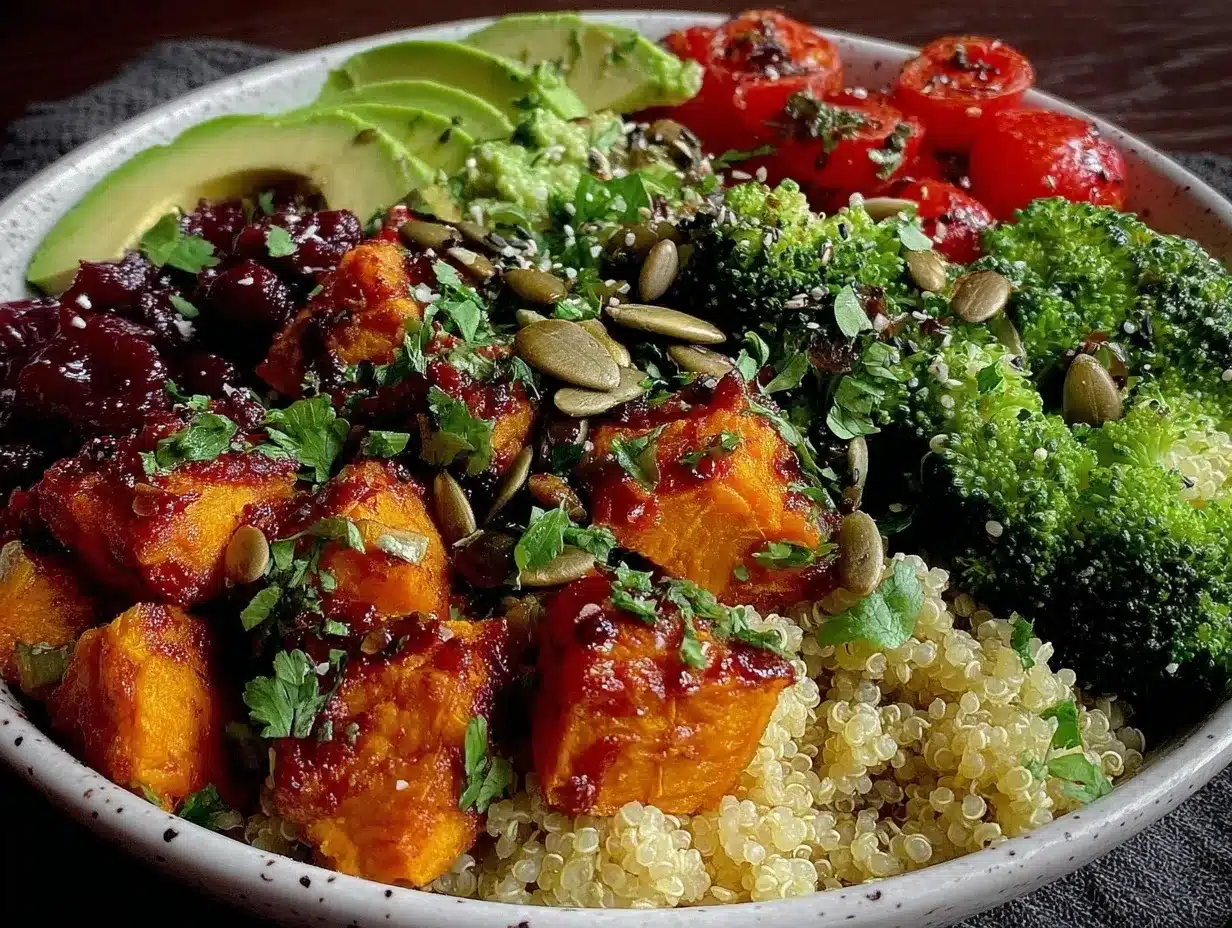
- Cook the grains: Rinse 1 cup quinoa under cold water. Combine with 2 cups water in a saucepan, bring to a boil, then simmer covered for 15 minutes until fluffy. If using brown rice, cook separately according to package instructions (usually about 40-45 minutes). Set aside to cool slightly. (Tip: Fluff with a fork to avoid clumping.)
- Roast the chickpeas and sweet potatoes: Preheat your oven to 400°F (200°C). Toss chickpeas with 1 tablespoon olive oil, 1 teaspoon smoked paprika, salt, and pepper. Spread on a baking sheet. On the same sheet or separate, toss cubed sweet potatoes with olive oil, salt, and pepper. Roast for about 25-30 minutes, turning halfway, until golden and crispy on edges. (Watch closely near the end to avoid burning.)
- Prepare the fresh veggies: While roasting, shred red cabbage, julienne the carrot, halve cherry tomatoes, slice avocado and cucumber. Arrange them in separate bowls or keep ready for assembly. (Pro tip: Toss cabbage with a little lemon juice to keep it crisp and bright.)
- Make the tahini dressing: In a small bowl, whisk together tahini, lemon juice, maple syrup, minced garlic, salt, and pepper. Add warm water a tablespoon at a time until the dressing reaches a smooth, pourable consistency. Taste and adjust sweetness or acidity as you like.
- Assemble your Buddha bowl: Start with a base of quinoa and/or brown rice in your bowl. Arrange the roasted sweet potatoes, chickpeas, shredded cabbage, carrots, cherry tomatoes, cucumber, and avocado in sections on top. Drizzle generously with tahini dressing. Garnish with fresh herbs and seeds if using. Serve immediately for best texture.
Remember, the key is layering flavors and textures. If you want to save time, cook grains and roast veggies the day before. Just add fresh components and dressing when ready to serve.
Cooking Tips & Techniques
Making this Easy Vegan Buddha Bowl Recipe for Beginners foolproof is all about a few smart moves I picked up over time:
- Don’t skip rinsing your quinoa: It removes the natural bitterness, giving you a cleaner flavor.
- Roast chickpeas extra crispy: Dry them well after rinsing, and space them out on the baking sheet so they don’t steam.
- Use warm water for the tahini dressing: It helps the tahini blend smoothly without clumps, making the dressing silky.
- Prep veggies uniformly: Cutting veggies into similar sizes helps with even texture and presentation.
- Timing multitask: While grains cook, prep your veggies and get your chickpeas and sweet potatoes roasting to save time.
- Adjust seasoning at the end: A sprinkle of salt or a squeeze of lemon juice right before serving can make all the difference.
One time, I forgot to drain my chickpeas well, and the roasting was a soggy disaster. Learned the hard way that dryness is key! Also, if your tahini dressing gets too thick after chilling, just stir in a bit more warm water before serving.
Variations & Adaptations
This Easy Vegan Buddha Bowl Recipe for Beginners is a canvas for your creativity. Here are some ideas to mix things up:
- Seasonal swap: Use roasted butternut squash or grilled zucchini instead of sweet potatoes in fall and summer, respectively.
- Different grains: Try millet, couscous, or even cauliflower rice for a lighter option.
- Protein alternatives: Swap chickpeas for black beans, edamame, or baked tofu cubes to suit your preference.
- Flavor twists: Add a splash of soy sauce or tamari to the dressing for a savory umami boost, or sprinkle with nutritional yeast for cheesy notes.
- Allergen-friendly: Use sunflower seed butter instead of tahini if you’re avoiding sesame.
I once made a version with roasted Brussels sprouts and swapped the dressing for a lemony avocado sauce. It was surprisingly creamy and addictive—proof this recipe welcomes your own signature spin!
Serving & Storage Suggestions
This bowl is best enjoyed fresh, while the roasted chickpeas are still crunchy and the avocado creamy. Serve it at room temperature or slightly chilled—both work wonderfully.
Pair your Buddha bowl with a crisp apple cider or a light herbal iced tea for a refreshing contrast. For a heartier meal, toss in some warm pita bread or a side of baked sweet potato fries.
To store leftovers, keep the dressing separate and refrigerate the grain, veggies, and roasted chickpeas in an airtight container for up to 3 days. When ready to eat, reheat grains and chickpeas gently in the microwave or oven, then add fresh veggies and dressing.
Note that avocado browns quickly, so add it fresh or store the bowl without avocado and add slices just before serving. Flavors often deepen after a day, making it a great make-ahead lunch option.
Nutritional Information & Benefits
This Easy Vegan Buddha Bowl Recipe for Beginners offers a balanced meal packed with fiber, protein, and healthy fats. A typical serving contains approximately:
| Nutrient | Amount per serving |
|---|---|
| Calories | 450-500 kcal |
| Protein | 18-20 grams |
| Fiber | 10-12 grams |
| Fat | 15-18 grams (mostly from avocado and tahini) |
| Carbohydrates | 60-65 grams |
The chickpeas and quinoa provide complete plant protein, while the variety of veggies deliver vitamins A, C, and K, plus antioxidants. Tahini adds calcium and healthy fats, making this bowl a nutrient-dense choice. It’s naturally gluten-free and can be adapted for nut-free or soy-free diets.
From a wellness perspective, this recipe supports digestion with fiber-rich ingredients and offers sustained energy without a heavy feeling. It’s a meal you can feel good about eating any day of the week.
Conclusion
If you’re looking for a nourishing, simple, and delicious vegan meal, this Easy Vegan Buddha Bowl Recipe for Beginners is a winner. It’s approachable for anyone, even if you’ve never made a Buddha bowl before, and it’s versatile enough to suit all sorts of tastes and dietary needs.
I love this recipe because it turns everyday ingredients into something special—no fuss, no stress, just pure flavor and satisfaction. Plus, it’s a colorful, cheerful plate that brightens up any day, even when you’re feeling a bit blah in the kitchen.
Give it a try, tweak it your way, and don’t forget to share how it goes—I’d love to hear your twists or tips! Cooking should be fun, not complicated, and this recipe proves it.
Happy cooking and happy eating!
FAQs
Can I use other grains besides quinoa and brown rice?
Absolutely! Couscous, millet, bulgur, or even cauliflower rice work well as alternatives. Just cook according to package instructions.
How do I keep the avocado from browning?
Add the avocado fresh just before serving. You can also toss slices in a little lemon juice to slow browning if prepping ahead.
Is this recipe suitable for gluten-free diets?
Yes! Quinoa and brown rice are naturally gluten-free. Just double-check any packaged ingredients to confirm.
Can I make the tahini dressing ahead of time?
Yes, store it in an airtight container in the fridge for up to 3 days. Stir well before using, adding a splash of warm water if it thickens too much.
How can I add more protein to this Buddha bowl?
Try adding extra roasted chickpeas, tofu cubes, tempeh, or edamame. Nuts and seeds also boost protein and add crunch.
Pin This Recipe!
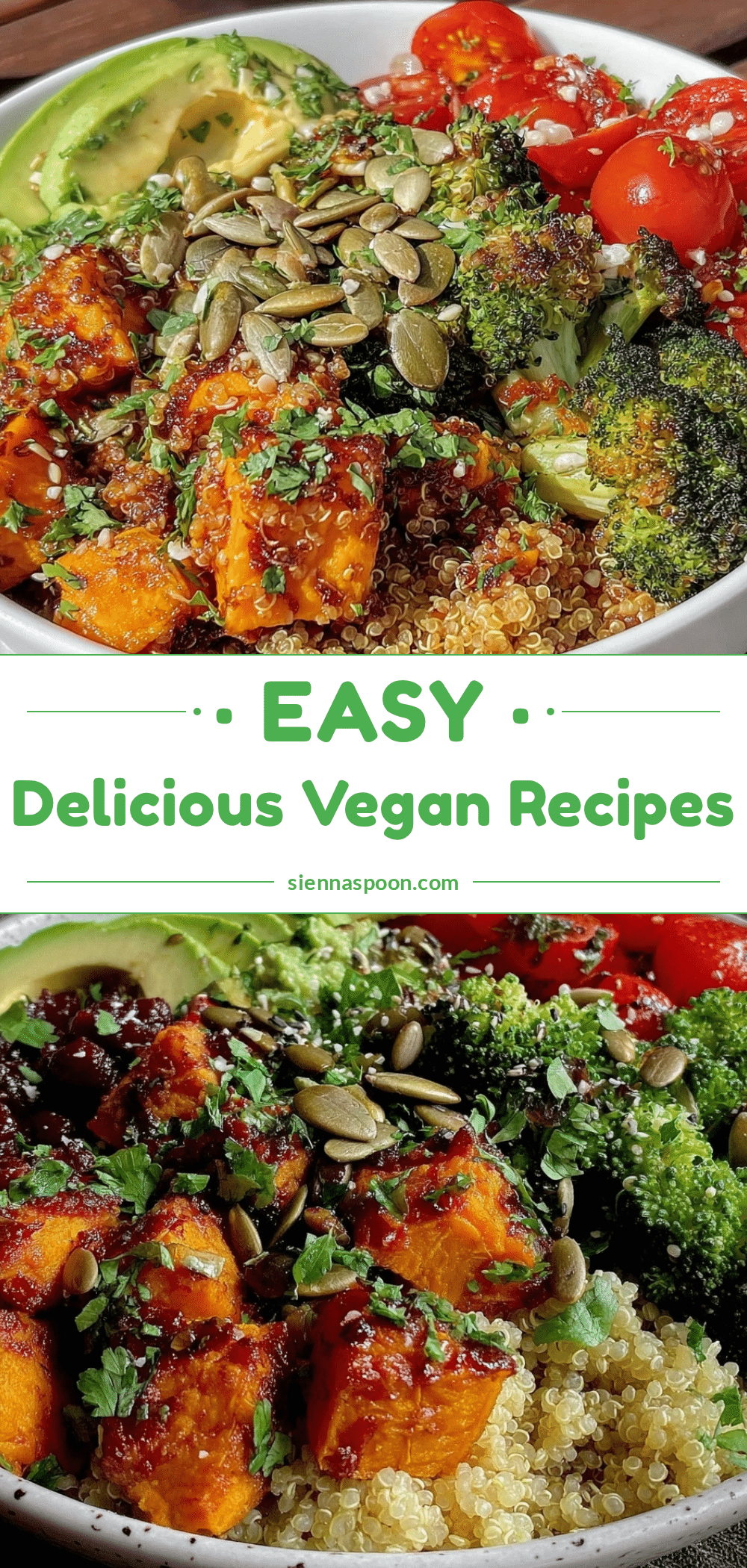
Easy Vegan Buddha Bowl Recipe for Beginners with 5 Simple Steps
A quick, nutritious, and colorful vegan Buddha bowl featuring roasted chickpeas, quinoa, fresh veggies, and a tangy tahini dressing. Perfect for beginners and busy weeknights.
- Prep Time: 15 minutes
- Cook Time: 30 minutes
- Total Time: 45 minutes
- Yield: 2 servings 1x
- Category: Main Course
- Cuisine: Vegan, Plant-Based
Ingredients
- 1 cup cooked quinoa (about 185g)
- 1 cup cooked brown rice (about 195g) – optional
- 1 cup shredded red cabbage
- 1 medium carrot, julienned or grated
- 1 cup roasted sweet potatoes, cubed (about 150g)
- 1/2 cup cherry tomatoes, halved
- 1/2 avocado, sliced
- 1/4 cup cucumber, sliced thin (optional)
- 1 cup canned chickpeas, drained and rinsed
- 1 tablespoon olive oil (for roasting chickpeas)
- 1 teaspoon smoked paprika
- Salt and pepper to taste
- 3 tablespoons tahini
- 2 tablespoons fresh lemon juice
- 1 tablespoon maple syrup or agave nectar
- 1 small garlic clove, minced
- Warm water to thin dressing as needed
- Optional garnishes: fresh parsley or cilantro, toasted sesame seeds or pumpkin seeds, red pepper flakes
Instructions
- Cook the grains: Rinse 1 cup quinoa under cold water. Combine with 2 cups water in a saucepan, bring to a boil, then simmer covered for 15 minutes until fluffy. Cook brown rice separately according to package instructions (about 40-45 minutes). Set aside to cool slightly.
- Roast the chickpeas and sweet potatoes: Preheat oven to 400°F (200°C). Toss chickpeas with 1 tablespoon olive oil, 1 teaspoon smoked paprika, salt, and pepper. Spread on a baking sheet. Toss cubed sweet potatoes with olive oil, salt, and pepper on the same or separate sheet. Roast for 25-30 minutes, turning halfway, until golden and crispy.
- Prepare the fresh veggies: Shred red cabbage, julienne carrot, halve cherry tomatoes, slice avocado and cucumber. Arrange separately or keep ready for assembly.
- Make the tahini dressing: Whisk together tahini, lemon juice, maple syrup, minced garlic, salt, and pepper. Add warm water a tablespoon at a time until smooth and pourable. Adjust sweetness or acidity to taste.
- Assemble the Buddha bowl: Start with quinoa and/or brown rice base. Arrange roasted sweet potatoes, chickpeas, shredded cabbage, carrots, cherry tomatoes, cucumber, and avocado in sections on top. Drizzle with tahini dressing and garnish with herbs and seeds if desired. Serve immediately.
Notes
Rinse quinoa to remove bitterness. Dry chickpeas well before roasting for crispiness. Use warm water to thin tahini dressing smoothly. Add avocado fresh to avoid browning. Cook grains and roast veggies ahead for meal prep convenience. Adjust seasoning at the end with salt or lemon juice.
Nutrition
- Serving Size: 1 bowl (approximatel
- Calories: 450500
- Sugar: 57
- Sodium: 300400
- Fat: 1518
- Saturated Fat: 23
- Carbohydrates: 6065
- Fiber: 1012
- Protein: 1820
Keywords: vegan, Buddha bowl, easy recipe, plant-based, quinoa, chickpeas, tahini dressing, healthy meal, gluten-free