Love this? Save it for later!
Share the inspiration with your friends
I wasn’t expecting cooking advice from my accountant, but there I was, knee-deep in tax paperwork, listening to him describe exactly how to make the best meatloaf of my life. It was the middle of April, I was stressed, and somehow we’d gotten off topic—way off topic. He started talking about this brown sugar ketchup glaze his grandmother used to make, and I swear, the man got emotional. He actually closed his eyes for a second. “You haven’t had meatloaf,” he said, “until you’ve had hers.” And let me tell you, I was skeptical. Meatloaf is meatloaf, right? It can be dry, boring, or just… fine. But something about the way he described that sweet, sticky glaze caught my attention. I scribbled the recipe on the back of an envelope while he told me about the secret ingredient that made it different from every other meatloaf out there.
That night, I made it. Honestly, I was half-expecting a disaster. But the moment that glaze hit the hot pan and started to caramelize, I knew something special was happening. The whole kitchen smelled like a Sunday dinner from someone else’s childhood—warm, savory, with just a hint of sweetness. It was the kind of smell that makes you stop what you’re doing and just breathe in. I pulled it out of the oven, let it rest for what felt like an eternity, and cut that first slice. The crust was sticky and dark, the inside was tender and juicy, and I actually let out a little laugh. My accountant’s grandmother knew what she was doing.
This recipe for the best classic meatloaf with brown sugar ketchup glaze has been my go-to ever since. It’s the one I bring to potlucks, the one my family requests for birthdays, and honestly, the one that made me stop rolling my eyes at meatloaf altogether. I mean, maybe you’ve been there—you think you know a dish, and then someone hands you a version that completely changes your mind. That’s this meatloaf. It’s simple, it’s honest, and it’s got a little story behind it. And every time I make it, I think about that stressed-out April afternoon and the accountant who just really, really loved his grandmother’s cooking.
Why You’ll Love This Recipe
This isn’t just another meatloaf recipe. After years of testing—and yes, a few dry, crumbly failures—I can confidently say this version is the one. It’s the kind of recipe that earns a permanent spot in your dinner rotation. Here’s why it stands out from the crowd:
- Quick & Easy: From start to finish, you’re looking at about an hour. Most of that is hands-off oven time, which means you can get the rest of dinner ready while it bakes.
- Simple Ingredients: You probably have almost everything in your kitchen right now. No trips to specialty stores, no weird ingredients you’ll never use again.
- Perfect for Busy Weeknights or Sunday Dinner: It’s hearty enough for a cozy family meal but impressive enough for company.
- Crowd-Pleaser: I’ve served this to picky kids, skeptical in-laws, and friends who swore they didn’t like meatloaf. Every single plate came back clean.
- Unbelievably Delicious: The brown sugar ketchup glaze isn’t just a topping—it caramelizes into this sticky, sweet-savory crust that makes every bite next-level comfort food.
What makes this recipe different from the rest? It’s the balance. The meatloaf itself is seasoned perfectly, with just the right amount of moisture so it stays tender without falling apart. And that glaze? It’s not too sweet, not too tangy—it hits that perfect spot where you can’t stop eating. I’ve tested this with different meat blends, different binders, and different glazes. This is the version that works every single time. It’s the best classic meatloaf recipe, full stop.
This recipe isn’t just good—it’s the kind that makes you close your eyes after the first bite. It’s comfort food reimagined: simple, reliable, and packed with the kind of flavor that feels like a hug. Perfect for impressing guests without stress, or turning a regular Tuesday night into something memorable.
What Ingredients You Will Need
This recipe uses simple, everyday ingredients to deliver big flavor. Most of these are pantry staples, which makes this meatloaf perfect for those nights when you need dinner on the table without a special shopping trip. Here’s everything you’ll need:
For the Meatloaf
- Ground beef (80/20): 2 pounds. The 80/20 blend is key here—the fat keeps the meatloaf moist and flavorful. If you use leaner beef, you’ll end up with a drier loaf.
- Breadcrumbs: 1 cup, plain or Italian-style. I prefer plain so I can control the seasoning. Panko works great too, giving a slightly lighter texture.
- Milk: ½ cup, whole milk preferred. This soaks into the breadcrumbs and keeps the meat tender. You can use 2% or even oat milk in a pinch.
- Eggs: 2 large, lightly beaten. These act as the binder, holding everything together.
- Yellow onion: 1 medium, finely diced. Don’t skip this—it adds moisture and sweetness as it cooks. I recommend grating it if you have picky eaters who don’t like onion chunks.
- Garlic: 3 cloves, minced. Fresh is best here, but jarred minced garlic works in a hurry.
- Worcestershire sauce: 2 tablespoons. This adds that deep, savory umami flavor. Lea & Perrins is my go-to brand.
- Ketchup: ¼ cup (for the meat mixture). It adds a touch of sweetness and acidity.
- Dijon mustard: 1 tablespoon. Adds a subtle tang that balances the richness.
- Salt: 1 teaspoon (use kosher salt for best results).
- Black pepper: ½ teaspoon, freshly ground.
- Dried thyme: 1 teaspoon. Optional, but I love the earthy note it adds.
- Fresh parsley: 2 tablespoons, chopped (optional, for garnish).
For the Brown Sugar Ketchup Glaze
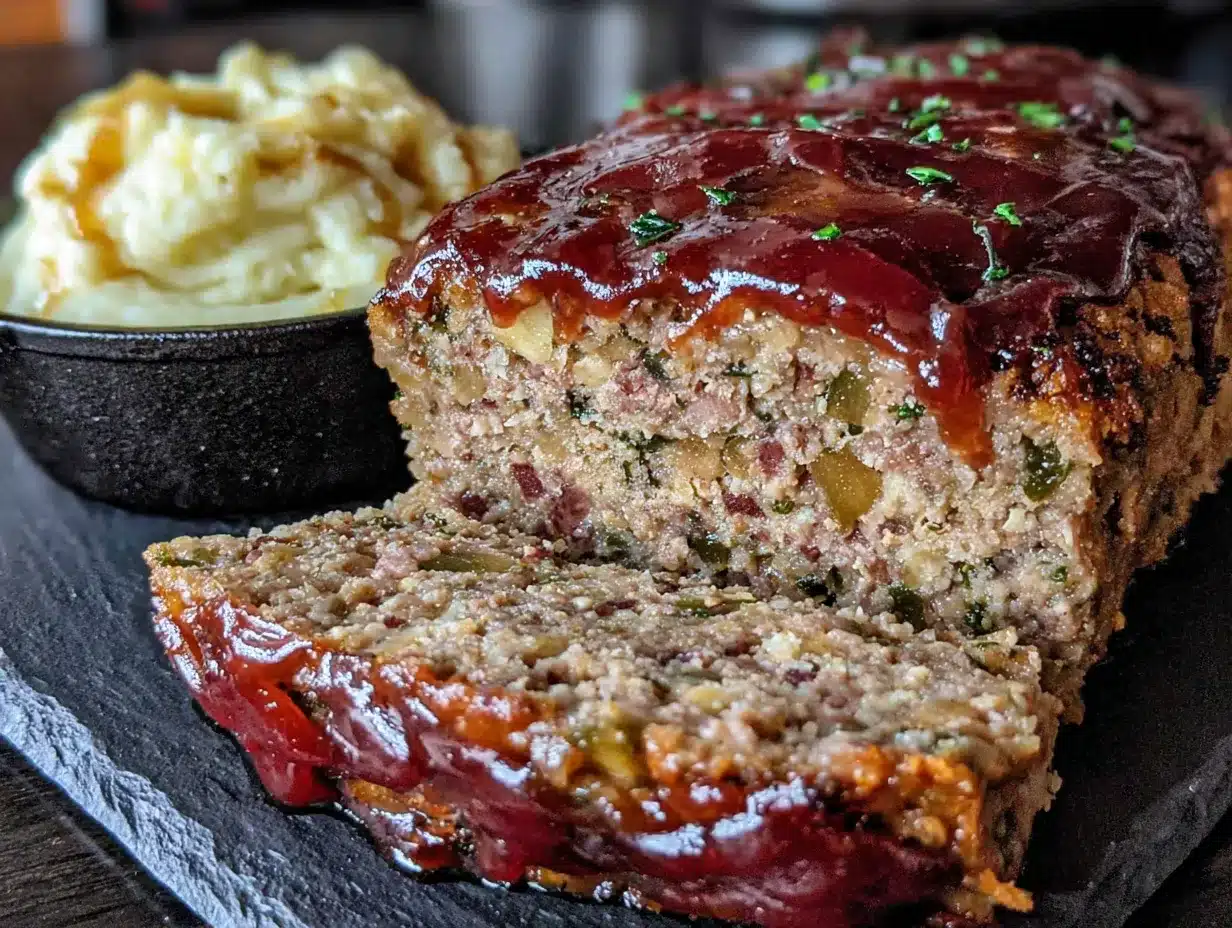
- Ketchup: ½ cup. Use a good-quality brand—Heinz is my favorite for its balanced sweetness and tang.
- Brown sugar: ⅓ cup, packed. Light or dark brown sugar both work. Dark brown sugar gives a deeper, more molasses-like flavor.
- Apple cider vinegar: 1 tablespoon. This cuts through the sweetness and adds brightness.
- Worcestershire sauce: 1 teaspoon. For extra depth.
- Garlic powder: ½ teaspoon. Not the same as fresh garlic, but it blends perfectly into the glaze.
Ingredient Selection Tips: For the best texture, look for ground beef that’s not too lean. The 80/20 ratio is ideal. If you can only find 85/15, add an extra tablespoon of milk or a drizzle of olive oil to compensate. For the breadcrumbs, I like using homemade ones from stale bread—they soak up the milk better and give a more rustic texture. And for the brown sugar, make sure it’s packed firmly into the measuring cup. Loose brown sugar won’t give you the same sticky, caramelized glaze.
Substitution Guidance: For a gluten-free option, use gluten-free breadcrumbs or crushed pork rinds. For a dairy-free version, swap the milk with unsweetened almond milk or oat milk, and use a dairy-free Worcestershire sauce (some brands contain anchovies, so check the label). You can also swap the ground beef with a mix of ground pork and beef for extra juiciness—just keep the total weight at 2 pounds.
Equipment Needed
You don’t need a fancy kitchen to make this meatloaf. Here’s what you’ll need:
- Large mixing bowl: For combining all the meatloaf ingredients. A glass or stainless steel bowl works best.
- Loaf pan (9×5 inch): This is the classic shape for meatloaf. If you don’t have one, you can shape the meatloaf free-form on a baking sheet lined with parchment paper. I actually prefer the free-form method sometimes—it gives you more crispy edges.
- Baking sheet: If you’re going the free-form route, use a rimmed baking sheet to catch any drips.
- Small saucepan: For making the glaze. A 1-quart saucepan is perfect.
- Whisk: For combining the glaze ingredients smoothly.
- Chef’s knife and cutting board: For dicing the onion and mincing the garlic.
- Measuring cups and spoons: For accurate measurements.
- Meat thermometer: This is non-negotiable for me. It takes the guesswork out of knowing when the meatloaf is done. An instant-read thermometer is perfect.
- Pastry brush: For applying the glaze. A silicone brush is easiest to clean. If you don’t have one, you can use the back of a spoon.
- Aluminum foil: For tenting the meatloaf while it rests.
Budget-Friendly Options: A loaf pan can be found at any thrift store for a couple of dollars. If you don’t own a meat thermometer, you can test doneness by cutting into the center—but honestly, a thermometer is worth the small investment (around $10) for perfectly cooked meat every time.
Preparation Method
- Preheat your oven to 350°F (175°C). While the oven heats up, line your loaf pan with parchment paper, leaving some overhang on the sides. This makes lifting the meatloaf out so much easier later. If you’re using the free-form method, line a rimmed baking sheet with parchment paper.
- Make the brown sugar ketchup glaze. In a small saucepan, combine ½ cup ketchup, ⅓ cup packed brown sugar, 1 tablespoon apple cider vinegar, 1 teaspoon Worcestershire sauce, and ½ teaspoon garlic powder. Whisk everything together over medium heat. Bring it to a gentle simmer, then reduce the heat to low. Let it cook for about 5 minutes, stirring occasionally, until the sugar has dissolved and the glaze has thickened slightly. It should coat the back of a spoon. Remove from heat and set aside. Taste it—you should get a perfect balance of sweet, tangy, and savory. If it’s too sweet, add a splash more vinegar. Too tangy? A pinch more brown sugar.
- Prepare the breadcrumb mixture. In a small bowl, pour ½ cup milk over 1 cup breadcrumbs. Let it sit for about 5 minutes. This is called a “panade,” and it’s the secret to a moist meatloaf. The breadcrumbs absorb the milk and create a soft paste that keeps the meat from getting dense and dry. Don’t skip this step—I learned the hard way that dumping dry breadcrumbs straight into the meat doesn’t work the same way.
- Sauté the aromatics. In a small skillet over medium heat, add a drizzle of olive oil. Cook the finely diced onion for about 4-5 minutes, until it’s soft and translucent. Add the minced garlic and cook for another 30 seconds, until fragrant. Let this cool slightly before adding it to the meat mixture. Hot onions can start cooking the meat, which affects the texture.
- Combine the meatloaf ingredients. In your large mixing bowl, add 2 pounds of ground beef, the soaked breadcrumb mixture, the sautéed onions and garlic, 2 lightly beaten eggs, 2 tablespoons Worcestershire sauce, ¼ cup ketchup, 1 tablespoon Dijon mustard, 1 teaspoon salt, ½ teaspoon black pepper, and 1 teaspoon dried thyme (if using). Now, here’s the important part: use your hands to gently mix everything together. I know it’s messy, but it’s the best way to combine without overworking the meat. Overmixing makes meatloaf tough. Mix just until everything is evenly distributed—you shouldn’t see streaks of breadcrumb or egg anymore. It should take about 1-2 minutes of gentle folding and squeezing.
- Shape the meatloaf. Transfer the meat mixture to your prepared loaf pan. Gently press it into an even shape, making sure there are no air pockets. If you’re using the free-form method, shape the mixture into a loaf shape on the prepared baking sheet, about 9 inches long and 5 inches wide. Try to make it as even as possible so it cooks uniformly.
- Apply the first layer of glaze. Using your pastry brush, spread about half of the glaze evenly over the top and sides of the meatloaf. Reserve the rest for later. Don’t be shy—you want a nice, thick coating. This first layer will caramelize in the oven, creating that gorgeous sticky crust.
- Bake the meatloaf. Place the meatloaf in the preheated oven. Bake for 45 minutes. After 45 minutes, remove it from the oven and apply the remaining glaze. Return it to the oven and bake for another 15-20 minutes. The total baking time should be about 60-65 minutes. Here’s the most important step: check the internal temperature with your meat thermometer. It should read 160°F (71°C) in the center. If it’s not there yet, give it another 5-10 minutes. Every oven runs a little differently, so trust the thermometer over the timer.
- Let it rest. Once the meatloaf reaches 160°F, remove it from the oven. Tent it loosely with aluminum foil and let it rest for 10-15 minutes. I know this is the hardest part—your kitchen smells amazing and you want to dig in. But resting is crucial. It allows the juices to redistribute throughout the meatloaf. If you cut into it too soon, all those juices will run out onto the cutting board, and you’ll be left with a dry meatloaf. Trust me on this one.
- Slice and serve. After resting, lift the meatloaf out of the pan using the parchment paper overhang. Transfer it to a cutting board. Use a sharp knife to cut thick slices—about 1 inch thick. The glaze should be sticky and caramelized, and the inside should be tender and juicy. Spoon any extra pan juices over the slices if you like.
Cooking Tips & Techniques
Over the years, I’ve made this meatloaf more times than I can count. I’ve also made plenty of mistakes along the way. Here’s what I’ve learned so you don’t have to repeat my failures:
Don’t overmix the meat. This is the number one mistake people make. When you overwork ground beef, the proteins tighten up and the meatloaf becomes dense and tough. Mix just until everything comes together. If you see streaks of breadcrumb, gently fold a few more times—but stop as soon as it looks uniform. I once spent a good five minutes “making sure everything was well combined,” and that meatloaf came out like a rubber brick. Learn from me.
Use a meat thermometer. I cannot stress this enough. Meatloaf is done at 160°F (71°C). Without a thermometer, you’re guessing. And guessing often leads to dry, overcooked meatloaf or, worse, undercooked meatloaf. An instant-read thermometer costs about ten bucks and will change your cooking life. Insert it into the center of the loaf—not touching the pan—for the most accurate reading.
Let the panade do its job. That milk-and-breadcrumb mixture isn’t just filler. It’s a moisture trap. The starches in the bread absorb the milk and create a gel-like matrix that holds onto juices as the meat cooks. Don’t skip the soaking step, and don’t substitute dry breadcrumbs straight into the meat. The texture won’t be the same.
Timing and multitasking: While the meatloaf bakes, you have plenty of time to make sides. Mashed potatoes, roasted vegetables, or a simple green salad all work beautifully. The glaze needs to be made ahead of time, so that’s done before the meatloaf even goes in the oven. Use the resting period to warm up any sides or set the table.
For a crispier crust: If you want extra caramelization on the glaze, switch your oven to broil for the last 2-3 minutes of baking. Watch it closely—brown sugar burns fast. You want bubbly and dark, not black. I’ve almost set off the smoke detector doing this, so set a timer.
If the meatloaf cracks on top: Don’t panic. This happens sometimes, especially if the loaf is a bit too tall or the oven runs hot. The glaze will cover most of it. If you want to prevent cracking, make a slight indentation down the center of the loaf before baking. This gives the meat room to expand without splitting.
Variations & Adaptations
One of the best things about this recipe is how adaptable it is. I’ve tried several variations over the years, and here are my favorites:
Turkey Meatloaf: Swap the ground beef for 2 pounds of ground turkey (93/7 lean-to-fat ratio). Turkey is leaner, so add an extra tablespoon of olive oil to the mixture and an extra egg to keep it moist. The cooking time stays about the same, but check the internal temperature—turkey is done at 165°F (74°C).
Cheesy Stuffed Meatloaf: This one is a crowd-pleaser. After mixing the meat mixture, flatten it into a rectangle on a piece of parchment paper. Spread a layer of shredded cheddar or mozzarella cheese down the center (about 1 cup). Use the parchment to help roll the meatloaf into a log, sealing the cheese inside. Bake as directed. The melted cheese center is pure magic. Just make sure the cheese is fully enclosed so it doesn’t leak out.
BBQ Bacon Meatloaf: For a smoky twist, replace the brown sugar ketchup glaze with your favorite barbecue sauce (about ½ cup). Before baking, lay 4-5 strips of bacon over the top of the meatloaf, tucking the ends underneath. The bacon crisps up as it bakes, and the fat bastes the meatloaf, keeping it incredibly moist. Use a smoky barbecue sauce for the best flavor.
Italian-Style Meatloaf: Add ½ cup grated Parmesan cheese, ¼ cup chopped fresh basil, and 1 teaspoon dried oregano to the meat mixture. Replace the ketchup in the glaze with ½ cup marinara sauce mixed with 2 tablespoons brown sugar. Serve with extra marinara on the side. This version is perfect with spaghetti or a crusty loaf of bread.
Low-Carb/Keto Version: Replace the breadcrumbs with 1 cup of crushed pork rinds or ½ cup of almond flour mixed with 2 tablespoons of coconut flour. Use unsweetened almond milk for the panade. The glaze can be made with sugar-free ketchup and a brown sugar substitute like Swerve. The texture is slightly different but still delicious and satisfying.
Personal Variation I Love: I once added a tablespoon of sriracha to the glaze for a spicy-sweet kick. It was an accident—I grabbed the wrong bottle—but it turned out amazing. The heat cuts through the richness of the meat and balances the sweetness of the brown sugar. If you like a little heat, give it a try. Start with 1 teaspoon and adjust from there.
Serving & Storage Suggestions
Serving: Serve this meatloaf warm, straight from the oven. Slice it into 1-inch thick pieces and arrange on a platter. The glaze should be sticky and glossy. I love serving it with creamy mashed potatoes and a simple green vegetable like roasted green beans or steamed broccoli. The potatoes soak up any extra glaze on the plate, which is honestly one of the best parts. For a lighter meal, serve it with a crisp side salad dressed with a tangy vinaigrette to cut through the richness.
Complementary Dishes: This meatloaf pairs beautifully with mac and cheese, roasted carrots, garlic bread, or a simple coleslaw. For beverages, a bold red wine like a Zinfandel or a cold beer (an amber ale works great) complements the savory-sweet flavors. For a non-alcoholic option, iced tea with a squeeze of lemon is perfect.
Storage: Leftover meatloaf keeps beautifully. Store it in an airtight container in the refrigerator for up to 4 days. The flavors actually deepen overnight, so leftovers might taste even better the next day. To freeze, wrap the cooled meatloaf (whole or in slices) tightly in plastic wrap, then in aluminum foil. It will keep in the freezer for up to 3 months. Thaw overnight in the refrigerator before reheating.
Reheating: The best way to reheat meatloaf without drying it out is in the oven. Preheat to 300°F (150°C), place the slices on a baking sheet, and cover loosely with foil. Heat for about 10-15 minutes, until warmed through. You can also reheat slices in a skillet over medium-low heat with a splash of water or broth, covered, for about 5 minutes per side. The microwave works in a pinch, but it can make the meatloaf rubbery—add a damp paper towel over the plate to help retain moisture.
Flavor Development: Here’s something I’ve noticed: cold meatloaf sandwiches the next day are incredible. The flavors meld together, and the glaze firms up slightly, creating a perfect texture. Spread a little mayo on bread, add a slice of cold meatloaf, some lettuce, and a thin slice of red onion. It’s a whole different meal and absolutely worth looking forward to.
Nutritional Information & Benefits
Here’s an approximate nutritional breakdown per serving (based on 8 servings, using 80/20 ground beef):
- Calories: 420
- Protein: 28g
- Fat: 24g
- Carbohydrates: 22g
- Fiber: 1g
- Sugar: 16g
- Sodium: 720mg
Health Benefits: Ground beef is an excellent source of high-quality protein, iron, and B vitamins, especially B12, which supports energy metabolism and nervous system health. The onions and garlic provide antioxidants and anti-inflammatory compounds. While this isn’t a “health food,” it’s a balanced meal when served with vegetables and a moderate portion of carbs.
Dietary Considerations: This recipe contains gluten (breadcrumbs) and dairy (milk). For gluten-free, use gluten-free breadcrumbs or crushed pork rinds. For dairy-free, use unsweetened almond milk. This recipe is not suitable for a vegan diet due to the meat and eggs. For a lower-sodium version, use low-sodium ketchup and reduce the added salt to ½ teaspoon.
Allergens: Contains wheat/gluten, dairy, and eggs. The Worcestershire sauce typically contains anchovies (fish), so omit it for a fish-free version. Always check labels if cooking for someone with allergies.
Personal Wellness Perspective: I believe in balance. This meatloaf is comfort food, plain and simple. It’s not something I eat every day, but when I do, I savor every bite. Pairing it with a big green salad or roasted vegetables makes it a satisfying, well-rounded meal that leaves you feeling full and happy, not heavy.
Conclusion
This best classic meatloaf with brown sugar ketchup glaze is more than just a recipe—it’s a reminder that the best dishes often come from unexpected places. That accountant and his grandmother’s recipe taught me that even the simplest ingredients, treated with care, can create something truly memorable. The sticky-sweet glaze, the tender, juicy meat, the way it makes your whole house smell like comfort—it’s all worth the little bit of effort it takes to put it together.
I hope you give this recipe a try. Don’t be afraid to make it your own—swap in different meats, play with the glaze, add cheese or bacon if that’s your thing. Cooking is about making something that brings you and your people joy. And honestly, this meatloaf delivers on that front every single time.
If you make this recipe, I’d love to hear about it. Leave a comment below and tell me how it turned out, or share your own twist on it. Did you add something unexpected? Did your family love it? Let’s keep the conversation going—because every great recipe has a story, and yours matters too. Happy cooking, friends!
Frequently Asked Questions
Can I make this meatloaf ahead of time?
Absolutely. You can assemble the meatloaf completely (including the glaze) up to 24 hours in advance. Cover it tightly with plastic wrap and refrigerate. When you’re ready to bake, remove it from the fridge while the oven preheats to take the chill off, then bake as directed. You may need to add 5-10 minutes to the baking time since you’re starting with a cold loaf.
Why is my meatloaf falling apart?
This usually happens for one of two reasons: not enough binder (eggs and breadcrumbs) or not letting it rest after baking. Make sure you’re using the full amount of breadcrumbs and eggs. Also, that 10-15 minute rest after baking is crucial—it allows the proteins to set and the juices to redistribute, which helps the meatloaf hold its shape when sliced.
Can I use ground pork or turkey instead of beef?
Yes, you can! Ground pork is fattier and will give you an even more tender, juicy meatloaf. Ground turkey works too, but since it’s leaner, add an extra tablespoon of olive oil and an extra egg to keep it from drying out. Cook turkey meatloaf to an internal temperature of 165°F (74°C).
How do I prevent the glaze from burning?
The brown sugar in the glaze can burn if it’s exposed to high heat for too long. To prevent this, apply the first layer of glaze halfway through baking (after about 30 minutes) rather than at the very beginning. This gives the glaze time to caramelize without burning. If you notice the top getting too dark, tent the meatloaf loosely with foil for the remainder of the baking time.
Can I freeze this meatloaf?
Yes, it freezes beautifully. Let the cooked meatloaf cool completely, then wrap it tightly in plastic wrap followed by a layer of aluminum foil. Freeze for up to 3 months. To reheat, thaw overnight in the refrigerator, then reheat in a 300°F oven until warmed through. You can also freeze individual slices for quick lunches—just wrap each slice separately.
Pin This Recipe!
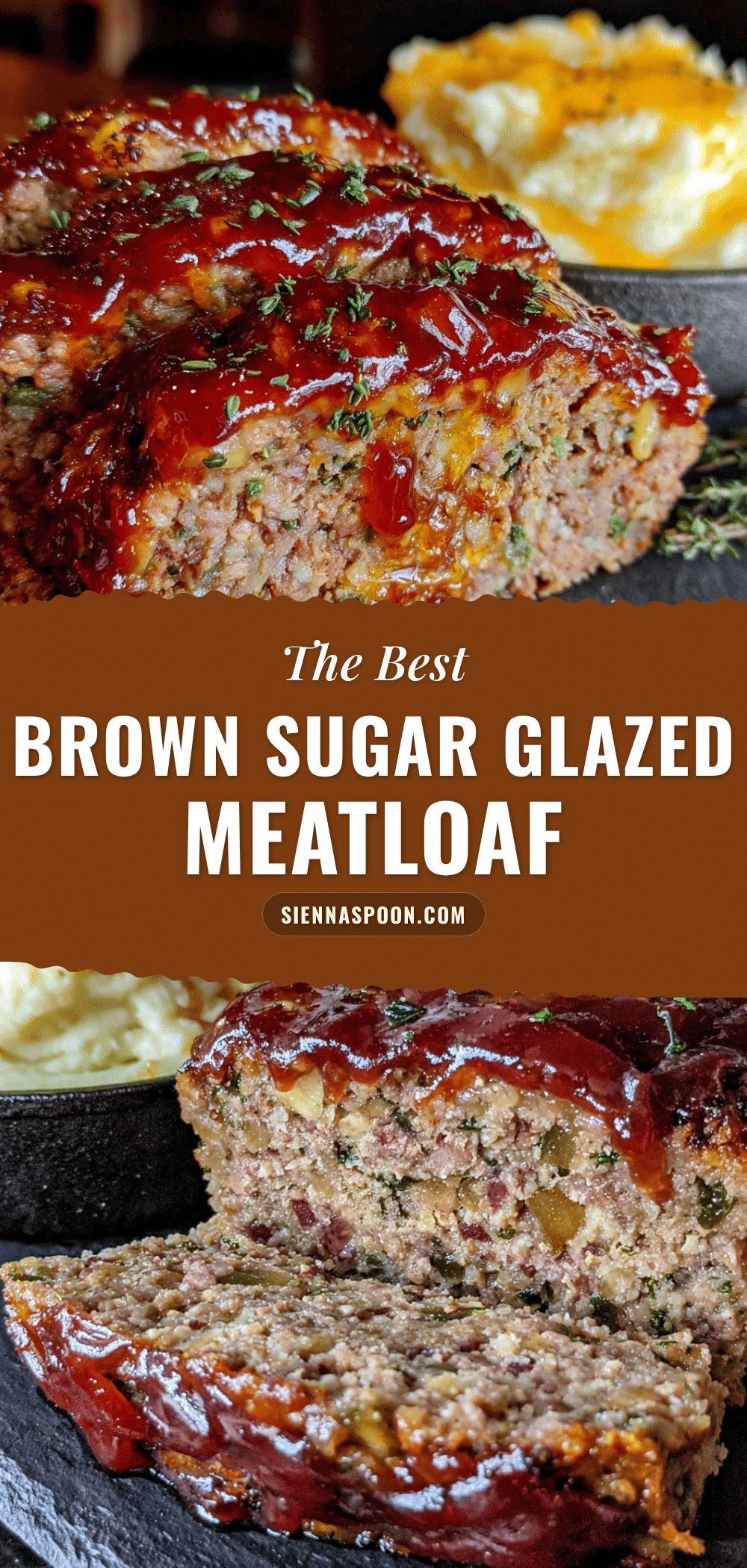
Best Classic Meatloaf with Brown Sugar Glaze Recipe
This classic meatloaf features a tender, juicy interior and a sticky-sweet brown sugar ketchup glaze that caramelizes into a perfect crust. It’s a comforting, crowd-pleasing dinner that’s simple to make with everyday ingredients.
- Prep Time: 20 minutes
- Cook Time: 60 minutes
- Total Time: 1 hour 20 minutes
- Yield: 8 servings 1x
- Category: Main Course
- Cuisine: American
Ingredients
- 2 pounds ground beef (80/20)
- 1 cup breadcrumbs (plain or Italian-style)
- ½ cup whole milk
- 2 large eggs, lightly beaten
- 1 medium yellow onion, finely diced
- 3 cloves garlic, minced
- 2 tablespoons Worcestershire sauce
- ¼ cup ketchup
- 1 tablespoon Dijon mustard
- 1 teaspoon kosher salt
- ½ teaspoon freshly ground black pepper
- 1 teaspoon dried thyme (optional)
- 2 tablespoons fresh parsley, chopped (optional, for garnish)
- ½ cup ketchup (for glaze)
- ⅓ cup packed brown sugar (light or dark)
- 1 tablespoon apple cider vinegar
- 1 teaspoon Worcestershire sauce (for glaze)
- ½ teaspoon garlic powder
Instructions
- Preheat oven to 350°F (175°C). Line a 9×5-inch loaf pan with parchment paper, leaving overhang, or line a rimmed baking sheet with parchment for free-form method.
- Make the glaze: In a small saucepan, combine ½ cup ketchup, ⅓ cup packed brown sugar, 1 tablespoon apple cider vinegar, 1 teaspoon Worcestershire sauce, and ½ teaspoon garlic powder. Whisk over medium heat until simmering. Reduce heat to low and cook 5 minutes, stirring occasionally, until thickened. Remove from heat and set aside.
- Prepare the panade: In a small bowl, pour ½ cup milk over 1 cup breadcrumbs. Let sit 5 minutes until absorbed.
- Sauté aromatics: In a small skillet over medium heat, add a drizzle of olive oil. Cook diced onion 4-5 minutes until soft. Add minced garlic and cook 30 seconds until fragrant. Let cool slightly.
- Combine meatloaf ingredients: In a large bowl, combine ground beef, soaked breadcrumbs, sautéed onions and garlic, beaten eggs, 2 tablespoons Worcestershire sauce, ¼ cup ketchup, 1 tablespoon Dijon mustard, 1 teaspoon salt, ½ teaspoon pepper, and 1 teaspoon dried thyme (if using). Mix gently with hands until just combined—do not overmix.
- Shape the meatloaf: Transfer mixture to prepared loaf pan, pressing evenly to remove air pockets. For free-form, shape into a 9×5-inch loaf on baking sheet.
- Apply first glaze layer: Brush half of the glaze evenly over top and sides of meatloaf.
- Bake: Place in oven and bake 45 minutes. Remove, apply remaining glaze, and bake another 15-20 minutes until internal temperature reaches 160°F (71°C).
- Rest: Remove from oven, tent loosely with foil, and let rest 10-15 minutes.
- Slice and serve: Lift meatloaf out using parchment, transfer to cutting board, and slice into 1-inch thick pieces. Spoon extra pan juices over slices if desired.
Notes
Don’t overmix the meat to avoid toughness. Use a meat thermometer for perfect doneness. Let the meatloaf rest before slicing to retain juices. For a crispier crust, broil the last 2-3 minutes, watching closely to prevent burning.
Nutrition
- Serving Size: 1 slice (1/8 of reci
- Calories: 420
- Sugar: 16
- Sodium: 720
- Fat: 24
- Saturated Fat: 9
- Carbohydrates: 22
- Fiber: 1
- Protein: 28
Keywords: meatloaf, classic meatloaf, brown sugar glaze, comfort food, ground beef, easy dinner, family meal